

Keeping children safe is everyone’s responsibility — and it starts with understanding what safeguarding actually means.
According to the World Health Organisation (WHO), six in 10 children under five years of age are still exposed to forms of child maltreatment. The consequences extend far beyond childhood and can ultimately slow a country’s economic and social development (WHO, 2026).
These realities highlight why safeguarding must be an ongoing commitment embedded in school culture, staff training, family partnerships, and clear reporting structures. It begins with every adult in a child’s life knowing what to look for and how to respond appropriately.
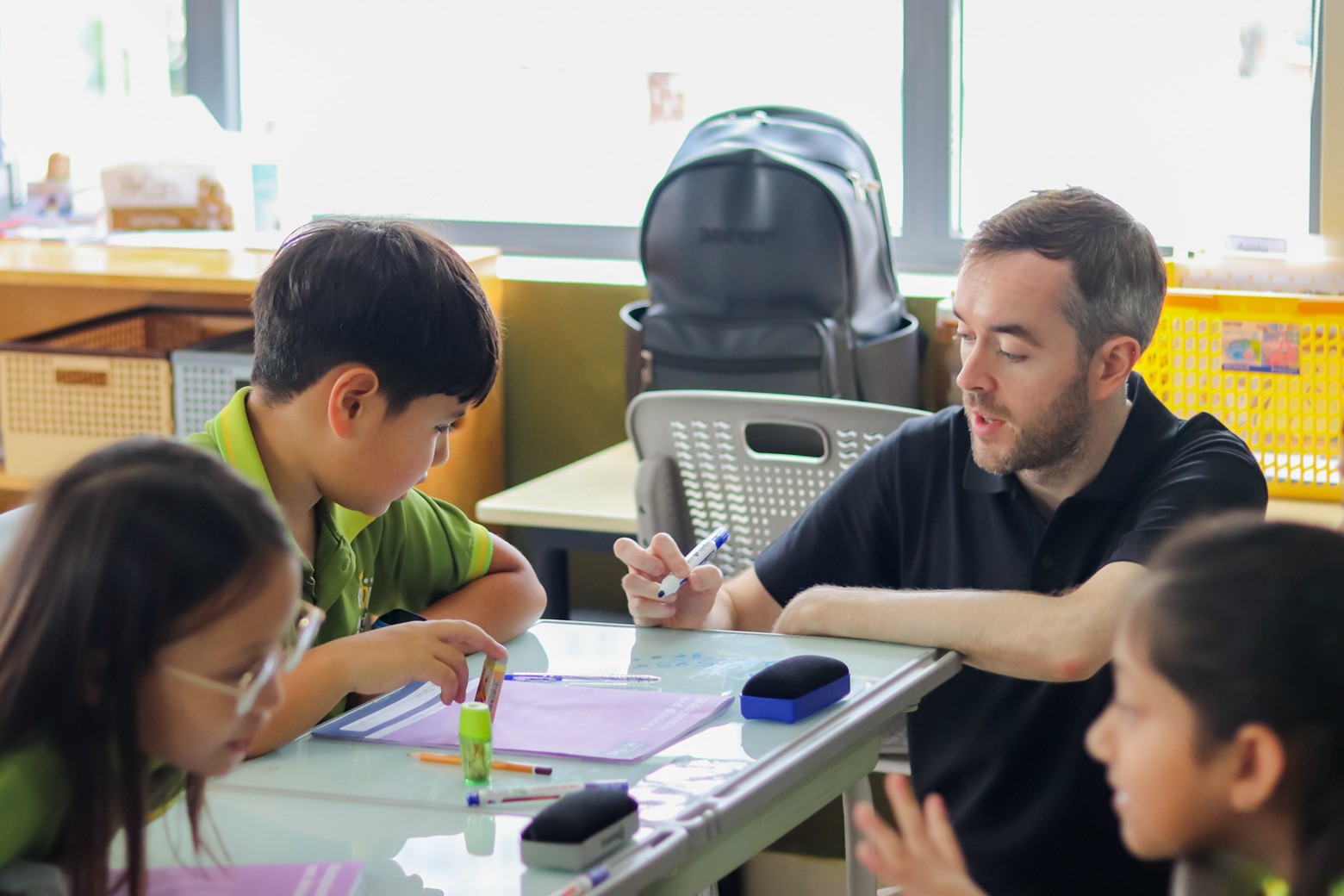
Students learning in a respectful, inclusive environment supported by a strong school safeguarding culture and child protection framework
Safeguarding vs. Behaviour Management: Understanding the Difference
One of the most important distinctions in child safeguarding is understanding when a situation calls for behaviour management and when it calls for a safeguarding response. The two require very different approaches.
Behaviour management focuses on the process of guiding and influencing an individual’s or group’s actions. It utilises proactive techniques and psychological frameworks to minimise disruptive actions, encourage positive habits, and create structured, supportive environments in classrooms, clinical settings, and the workplace (Keenan, 2025). Child safeguarding, on the other hand, focuses on protecting children from harm, promoting their well-being, and responding appropriately to concerns about their safety or welfare.
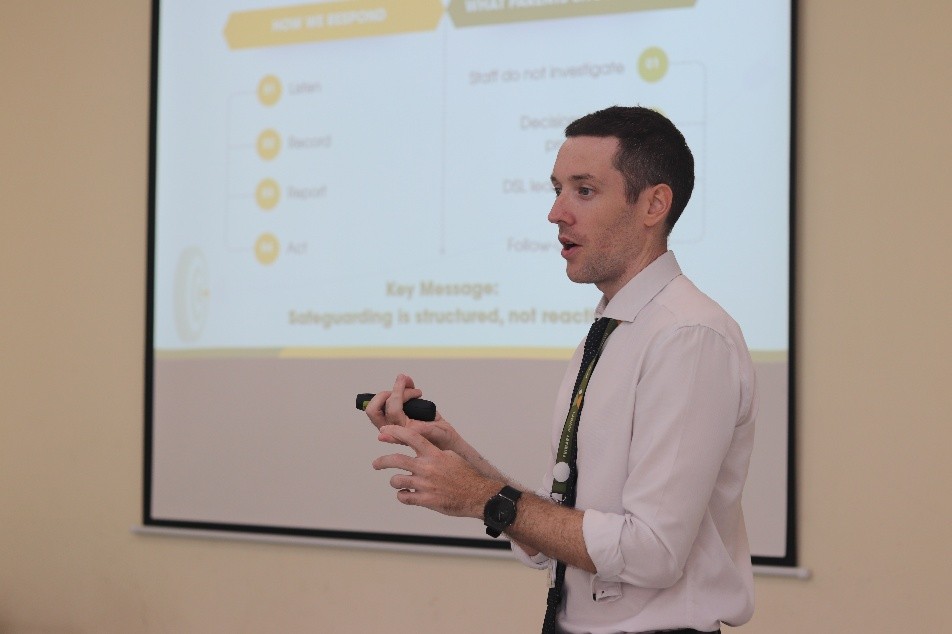
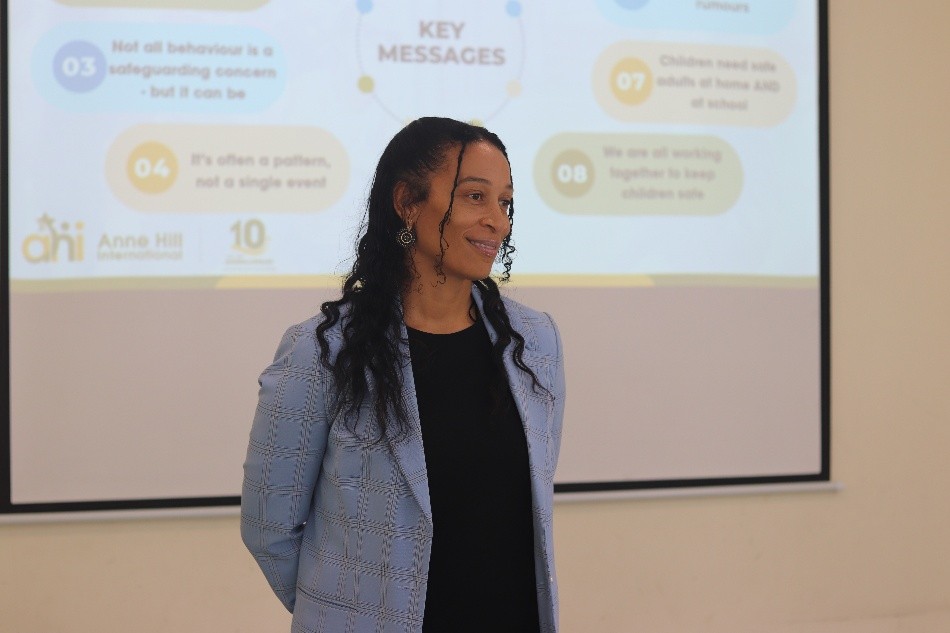
Mr Noel and Ms Aundrea (AHI Vice Principals) leading the Coffee Morning session on safeguarding at Anne Hill International School on 1st April 2026
At Anne Hill International School (AHI), this distinction was a key theme during our April Coffee Morning on “Safeguarding at AHI”, led by Vice Principals Mr Noel and Ms Aundrea on 1st April 2026. They explained to parents that behaviour issues and safeguarding concerns are not the same. Educators and caregivers must first identify the nature of the situation. This helps them respond most appropriately and effectively to protect the child. A one-size-fits-all response may not meet the child’s actual needs.
Recognising Signs of Abuse: Why Patterns Matter
Children rarely disclose harm directly. More often, signs a child needs safeguarding support emerge gradually as patterns of behaviour over time rather than single, obvious incidents.
The Adverse Childhood Experiences studies, conducted by the Centres for Disease Control and Prevention (2026), demonstrate that early experiences of harm, neglect, or instability have measurable impacts on brain development, emotional regulation, and long-term health. Children who receive timely safeguarding support, however, show significantly better outcomes.
By noticing changes in behaviour, distress, social challenges, and ongoing patterns, we can better recognise when a child needs support
This is why safeguarding training places strong emphasis on consistent observation. As shared during AHI’s Coffee Morning, children’s behaviour is not always a one-time reaction. Sometimes, it reflects a repeated pattern that needs attention. A recurring change in mood can be a sign. Unexplained absences can also raise concern. Some children may withdraw from friends or become less engaged in class. A single incident may not seem serious on its own. However, repeated changes over time may show that a child needs support. Recognising these patterns is a core skill in recognising signs of abuse and neglect, and is something both school staff and families play a role in observing.
How Schools Handle Safeguarding Concerns: The Process
Effective safeguarding in schools follows a clear, consistent school safeguarding process to ensure every concern is handled fairly and thoroughly. At AHI, this process follows four structured stages:
Listen → Record → Report → Act
At the centre of this process is the Designated Safeguarding Lead (DSL), a trained staff member responsible for managing all safeguarding concerns within the school. The DSL coordinates with relevant authorities, ensures careful follow-up at every stage, and leads the school’s response according to established safeguarding policy.
Safeguarding begins with listening, reporting, and taking appropriate action through clear procedures led by the DSL, with careful follow-up every step of the way
A strong safeguarding policy is built on several key principles. First, all concerns are taken seriously, even when they may initially appear minor. Information is then shared only on a need-to-know basis, with confidentiality handled appropriately. Any actions taken must be proportionate and followed up, stage by stage. Staff who receive proper safeguarding training understand that safeguarding is not about making quick judgements or assumptions. Instead, the priority is to ensure that every child receives the right support at the right time.
The Role of Home – School Partnership in Safeguarding
Child safeguarding is not the school’s responsibility alone. Parents and caregivers are key partners in keeping children safe, and open, trusting communication between home and school creates the complete picture. What a teacher observes during the school day, combined with what a parent notices at home, gives both parties a far more accurate understanding of a child’s well-being. This is why it is so important to share concerns early, communicate openly, and avoid spreading rumours.
Effective communication does not just connect us; it protects our children.
Research by Lloyd et al. (2023) found that children in families with open communication practices were significantly more likely to disclose concerns early, before situations escalated. With that in mind, Mr Noel shared several practical tips for parents on how to talk to children about safeguarding at home:
- Stay calm: A composed adult response reassures children that it is safe to keep talking.
- Avoid assumptions: Listen fully before concluding.
- Reassure children about speaking up: Let them know they will not be in trouble for sharing concerns.
Through open conversations, empathetic listening, and thoughtful questions, parents can create safe and trusting environments for children at home and at school
When Safeguarding Concerns Turn Out to Be Misunderstandings
It is important to acknowledge that not every safeguarding concern leads to a serious child protection issue. As discussed at the Coffee Morning, what may seem serious at first can sometimes be a misunderstanding or a friendship conflict that simply needs guidance and support from caring adults on both sides. This is why safeguarding processes are so important. Through careful listening, appropriate checks, and thoughtful follow-up, schools can take concerns seriously without overreacting.
By raising concerns early, communicating openly, and avoiding rumours, families and schools can work together to better support children’s well-being
Safeguarding is a shared responsibility between schools and families. It requires ongoing care, communication, and commitment. By keeping children’s well-being at the centre of every decision, we build not just safer schools, but stronger, healthier communities.
Book a School Tour to discover how your child can grow in our caring community.

References
- World Health Organisation. (2026, May 8). Child maltreatment.
https://www.who.int/news-room/fact-sheets/detail/child-maltreatment
- Keenan, M. (2025). Behaviour management. EBSCO Research Starters.
https://www.ebsco.com/research-starters/psychology/behavior-management
- Centers for Disease Control and Prevention. (2026, March 2). Adverse childhood experiences (ACEs).
https://www.cdc.gov/aces/about/index.html
- Lloyd, A., Broadbent, A., Brooks, E., Bulsara, K., Donoghue, K., Saijaf, R., Sampson, K. N., Thomson, A., Fearon, P., & Lawrence, P. J. (2023).
The impact of family interventions on communication in the context of anxiety and depression in those aged 14-24 years: Systematic review of randomised control trials.
BJPsych Open, 9(5), e161.
https://doi.org/10.1192/bjo.2023.545