
Holistic Education: Proven Practices from Anne Hill International School


At Anne Hill International School (AHI), we believe that preparing future generations to address emerging challenges requires an educational model that fosters both intellectual advancement and learning through experience. True education goes beyond textbooks and examinations – it shapes character, builds confidence, and equips students to engage meaningfully with the world around them.

The adoption of a holistic approach reflects our commitment to a more comprehensive vision of education and student development, one that values academic excellence alongside the personal, social, and emotional growth every child deserves.

About Holistic Education

Education that Nurtures the Whole Child

Holistic education focuses on developing the whole child, helping them grow into confident, well-rounded individuals who can contribute positively to their communities. (Drew, 2026). It recognises that students need opportunities to grow intellectually, emotionally, socially, physically, and morally in order to thrive. This approach moves beyond memorisation and test performance, emphasising meaningful learning experiences that help students understand themselves, build positive relationships, and develop a sense of purpose.

Beyond Academic Achievements

As a result, holistic education places equal importance on academic knowledge and essential life skills. Students are encouraged to develop critical thinking, creativity, emotional intelligence, communication, and collaboration skills through experiential learning and self-discovery. By valuing personal growth alongside academic success, holistic education aims to nurture confident, well-rounded individuals who are motivated to learn throughout their lives.

The learning environment plays an important role in supporting this approach. Rather than focusing solely on instruction, classrooms are designed to be welcoming, flexible, and student-centred. Learning spaces may include movable furniture, collaborative work areas, quiet reading corners, outdoor learning environments, and personalised learning stations that cater to different needs and learning styles. These features create a supportive and engaging atmosphere that encourages exploration, collaboration, and independent learning while fostering students’ confidence, social-emotional development, and academic success (Wideman-van der Laan, 2024).
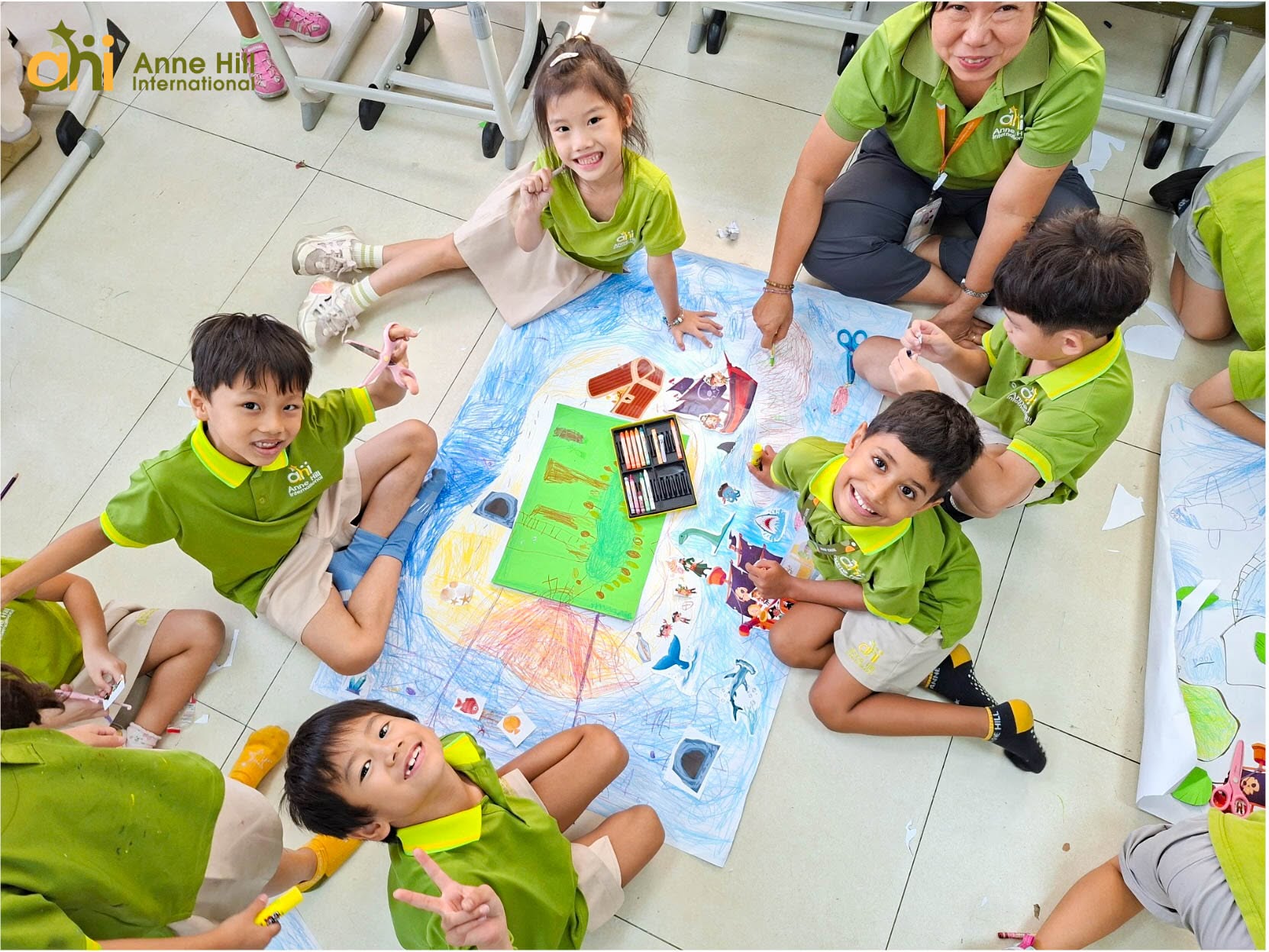
Classrooms should be welcoming, flexible and student-centred to support a holistic education.

Another notable aspect of holistic education is its emphasis on physical wellbeing. Recognising that a healthy body supports both learning and daily life, holistic education encourages regular physical activity and health education to promote students’ overall development (Zhao et al., 2023).

Increasingly Embraced by Schools Worldwide

As academic knowledge alone is no longer sufficient to prepare students for a rapidly changing and interconnected world, schools are increasingly appreciating holistic education. Research has highlighted the need of skills such as critical thinking, creativity, collaboration, communication, and social responsibility to succeed in the future alongside subject knowledge (American University, n.d.).

Growing awareness of student wellbeing has also contributed to the popularity of holistic education. By supporting students’ emotional, social, and physical development alongside academic learning, schools can create environments that promote both personal growth and academic achievement (Global Partnership for Education, 2023).

In addition, holistic education aligns with growing international recognition that education should support the development of the whole child. Organisations such as UNESCO advocate educational approaches that nurture cognitive, social, emotional, physical, and ethical development, helping students become lifelong learners and active contributors to society (UNESCO, 2021; American University, n.d.).
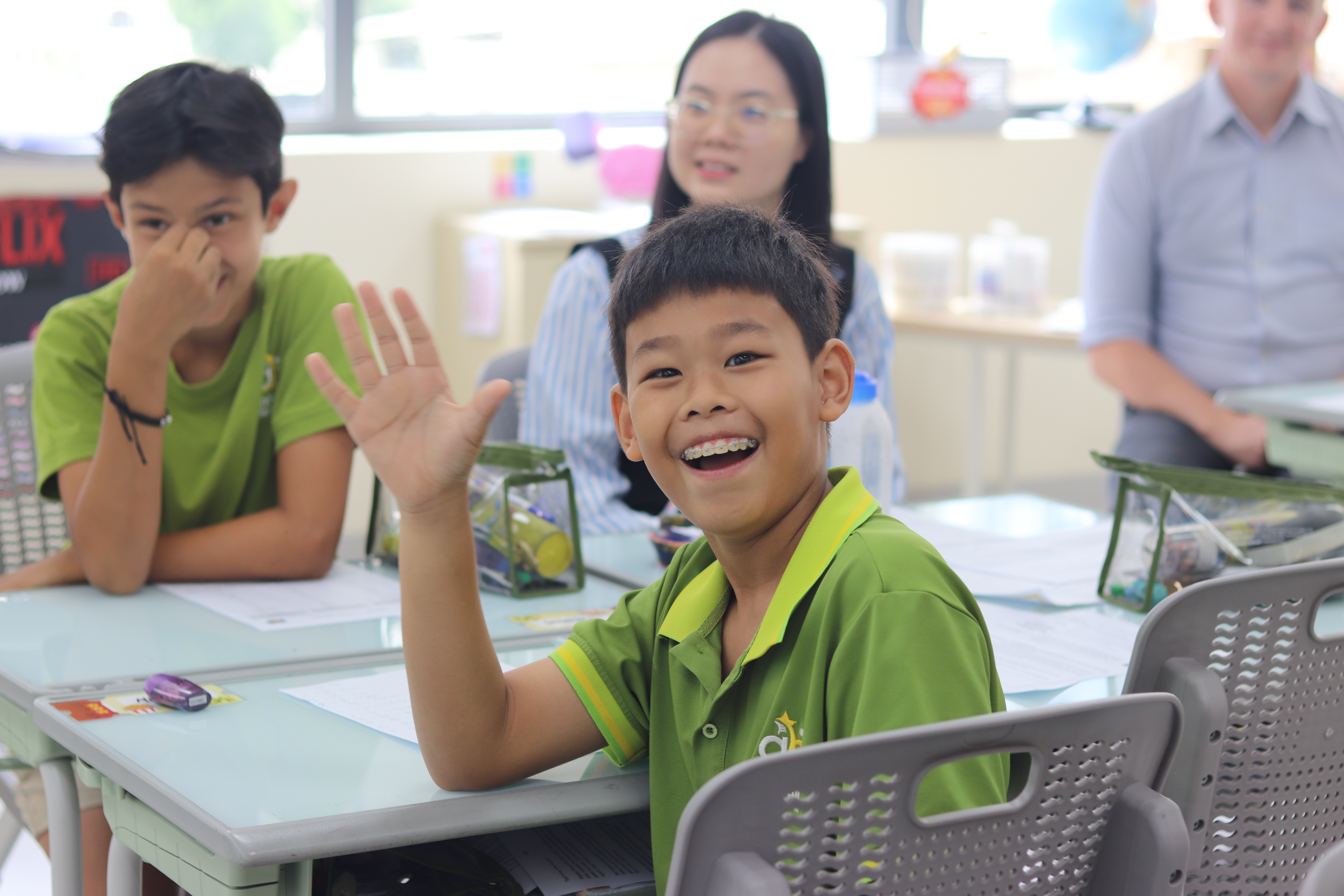
By nurturing students’ emotional, social, and physical development alongside academics, schools can foster both personal growth and academic success.

Proven Practices at AHI

At AHI, holistic education lies at the heart of the school’s vision to nurture “well-rounded, globally-minded, lifelong learners.” This reflects a commitment to developing students not only academically, but also personally, socially, and emotionally. By helping students understand themselves, engage with the wider world, and build the skills needed for a changing future, AHI aims to prepare learners for success both in school and beyond.

This approach is trusted by families and has contributed to positive outcomes in students’ confidence, wellbeing, engagement, and overall development.

The Key Role of IPC

AHI students are encouraged to explore their interests, but they are also intentionally exposed to a broad range of subjects, cultures, ideas, and experiences. The International Primary Curriculum (IPC) plays a key role in supporting this approach. Alongside academic learning, the IPC promotes personal and international development through values such as resilience, empathy, collaboration, and respect. Students are encouraged to understand different perspectives, explore global issues, and consider their role within a wider international community.

This ensures that academic success is developed alongside character, social responsibility, and personal growth.

Read more about the International Primary Curriculum (IPC) at AHI
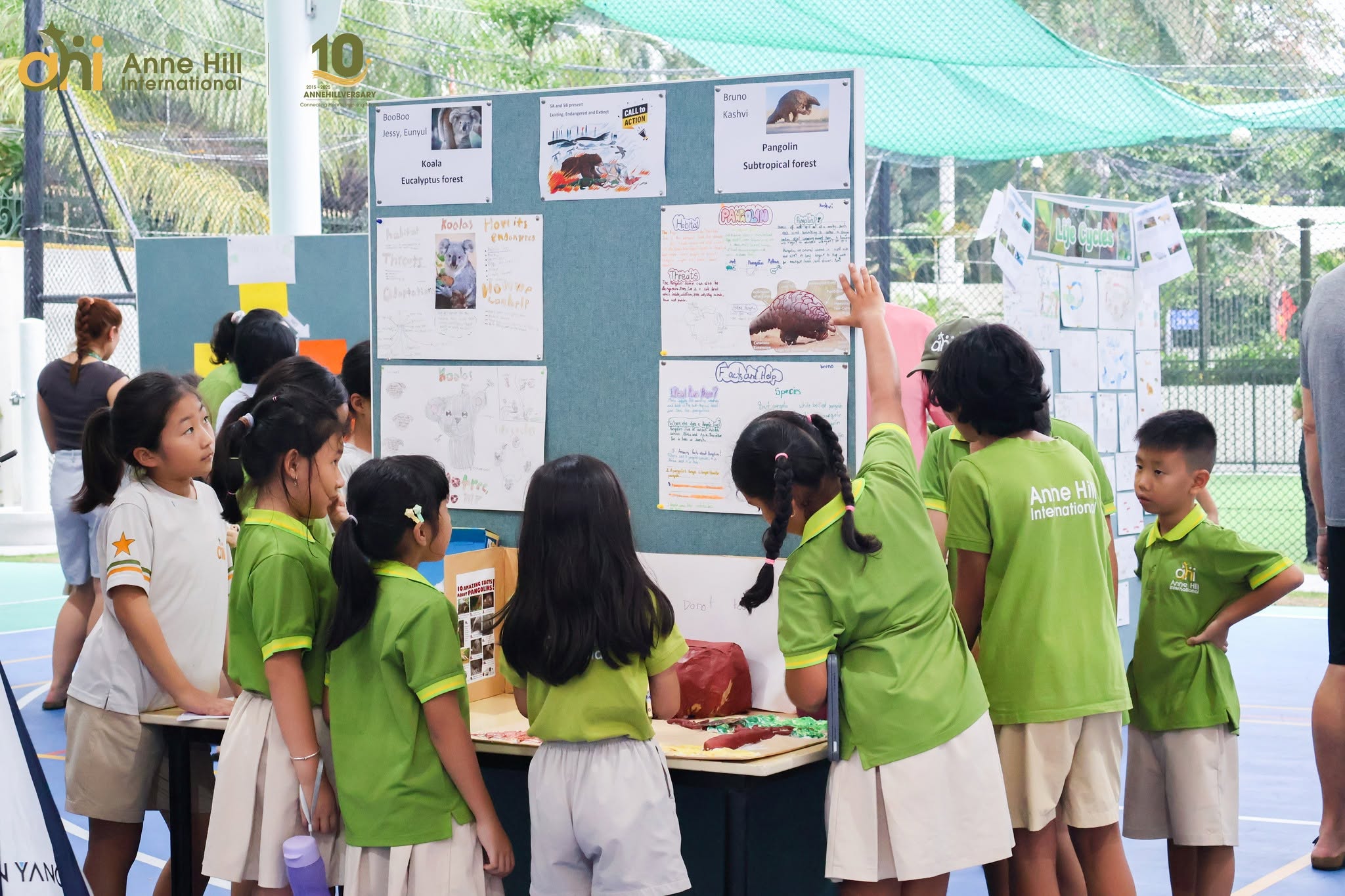
IPC encourages students to explore global issues and consider their role within a wider international community.

Connecting with the Real World

As Mr Benjamin Cracknell (Vice Principal – Lower Primary) explains, one of the key purposes of education is to expose students to a wide range of experiences, ideas, and opportunities, helping them discover their interests, strengths, and passions while also developing an understanding of what may not resonate with them.

Research also recognises that children learn most effectively when they can connect new knowledge to real experiences (Dewey, 1938). At AHI, educational visits, assemblies, exit points, events, and residential trips help bring learning to life by allowing students to see, experience, and better understand the concepts they encounter in lessons. These experiences build valuable background knowledge, enabling students to learn more effectively.

Extra-curricular activities provide another important dimension of holistic education. Through opportunities such as music, sports, performing arts, and clubs, students can develop confidence, creativity, teamwork, and resilience while exploring interests beyond the classroom.

Mr Ben highly appreciated that many AHI students are having access to activities such as joining a school band, roller skating, or participating in performance opportunities. These experiences broaden students’ horizons and help them develop skills and passions that may shape their future interests and aspirations.
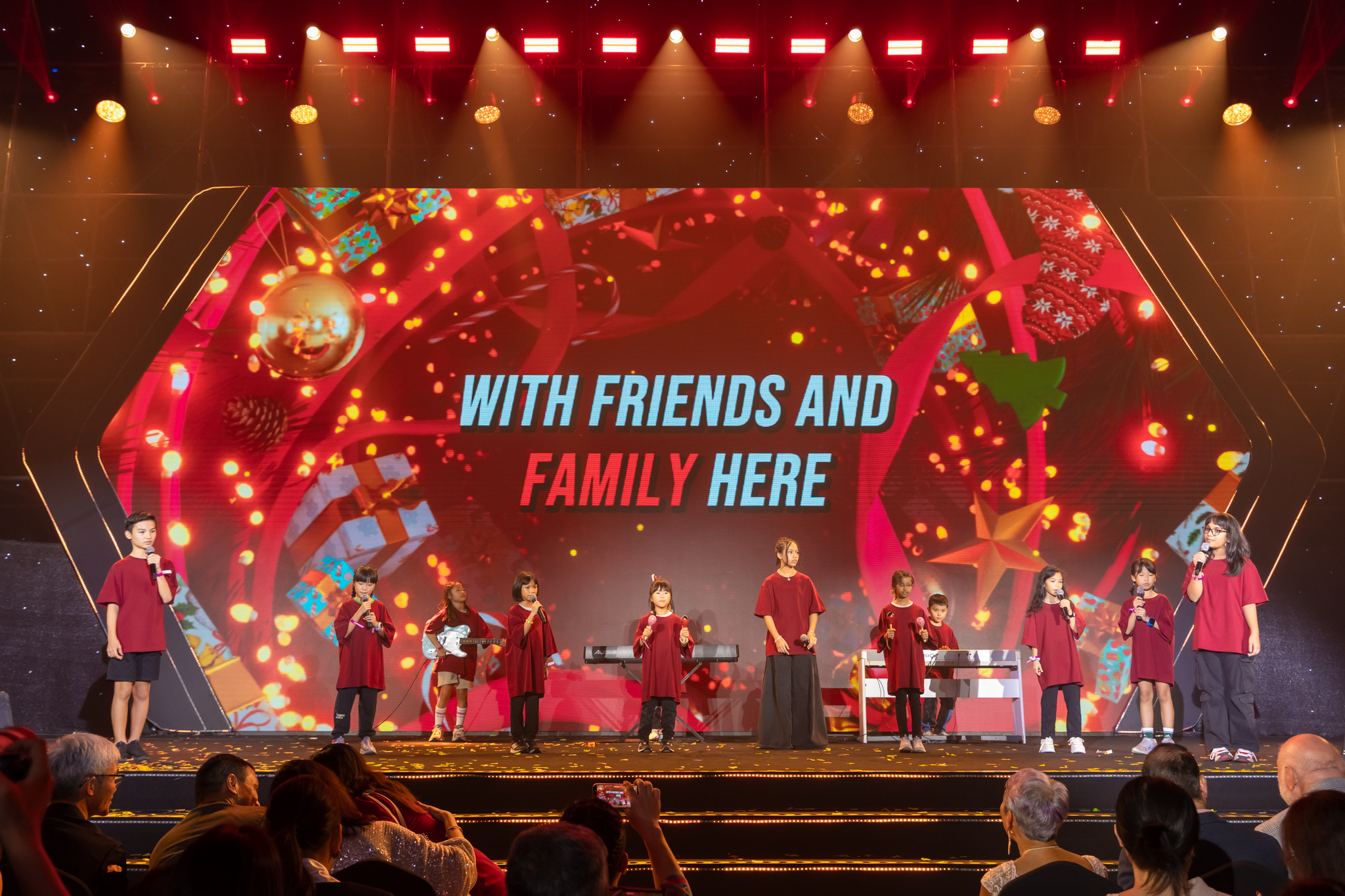
Photo: AHI School Band performing in the 10th Anniversary School Concert in December 2025.

The Positive Impact

The impact of this approach can be seen in the attitudes and actions of AHI students. Mr. Ben highlighted examples of students organising donation drives following a typhoon and actively supporting initiatives such as the Kindness Machine project.

These experiences demonstrate growing awareness of issues beyond their immediate surroundings and a willingness to take positive action within their community. Such moments reflect the wider purpose of holistic education: helping children understand not only what is happening in the world, but also how they can contribute meaningfully to it.
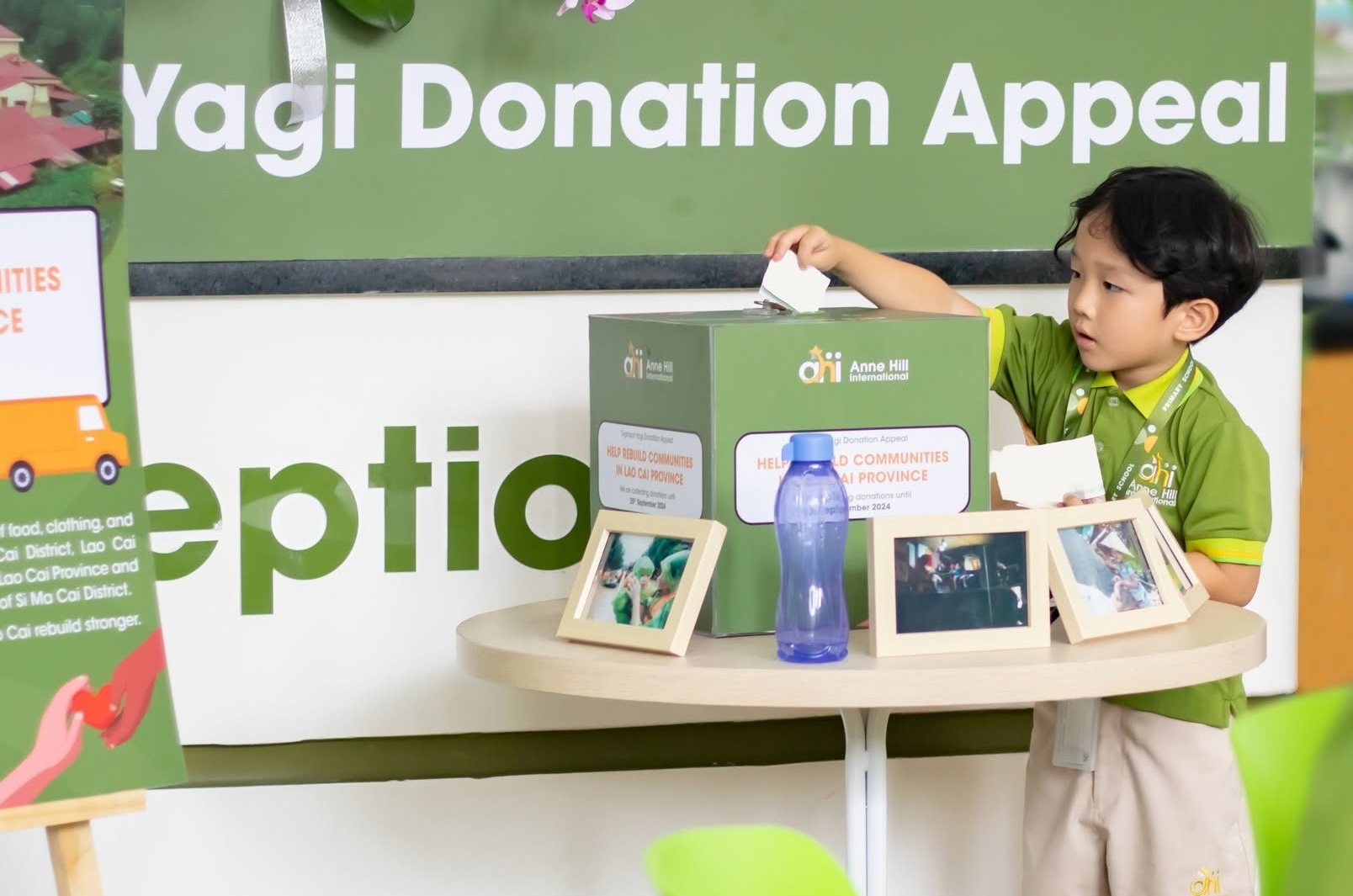
Photo: AHI students participating in the 2024 Yagi Donation Appeal in support of families affected by Typhoon Yagi in Lao Cai.

Balancing with Academic Requirements

Importantly, holistic education does not diminish the importance of academic achievement. Rather, it recognises that strong academic foundations and personal development are equally important for long-term success.

Literacy, communication, critical thinking, and subject knowledge provide students with essential tools that open future opportunities and choices. At the same time, experiences beyond the classroom help students develop confidence, adaptability, resilience, and social awareness.

By combining academic excellence with broad learning experiences, holistic education aims to ensure that students leave school not only knowledgeable, but also equipped to navigate the opportunities and challenges of an ever-changing world.
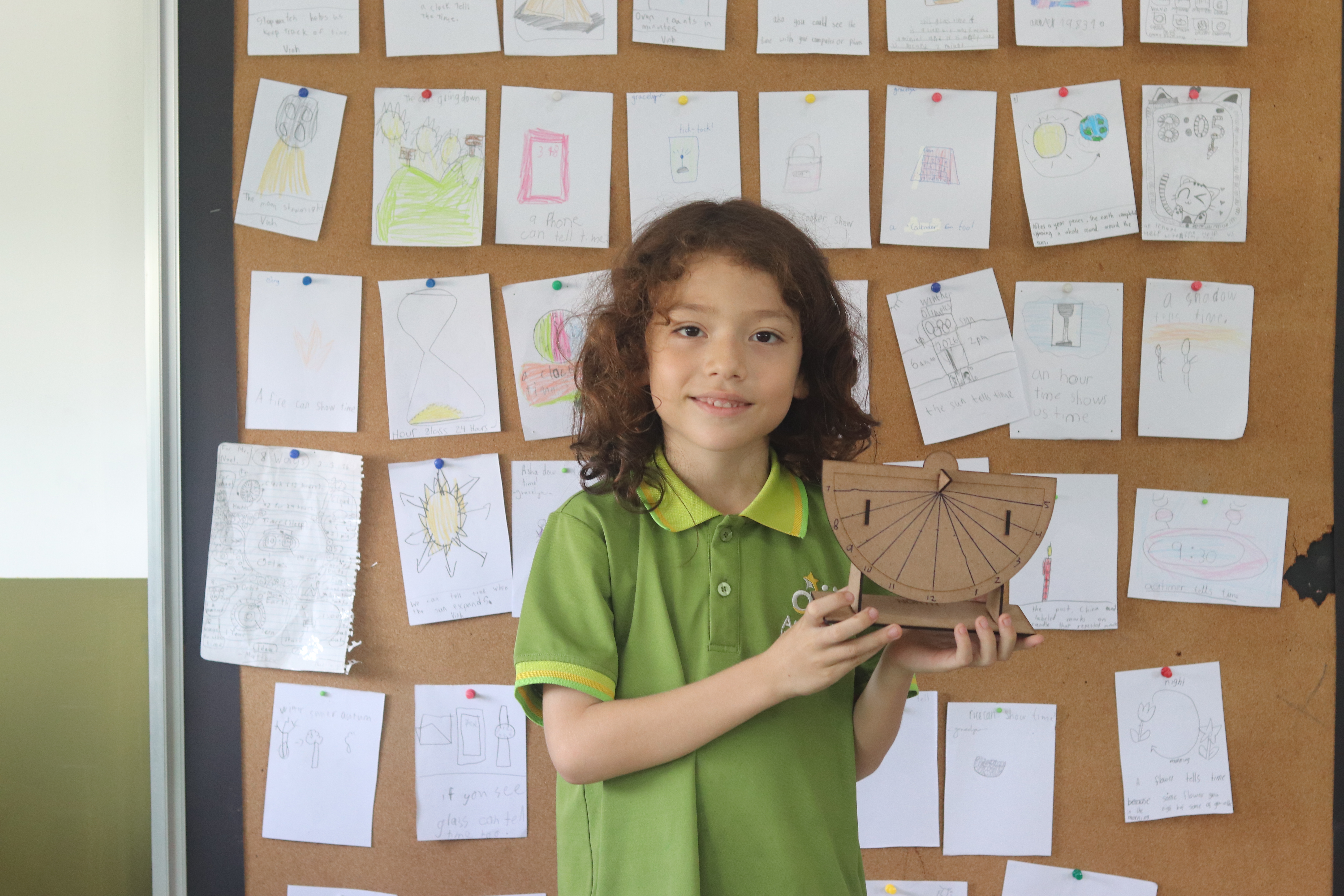
Holistic education does not mean placing less value on academics.

Key Takeaways

  • Holistic education develops the whole child by supporting intellectual, emotional, social, physical, and moral growth, rather than focusing solely on academic achievement.
  • Learning extends beyond examinations and memorisation, helping students develop critical thinking, creativity, communication, collaboration, emotional intelligence, and lifelong learning habits.
  • The learning environment matters. Flexible, student-centred spaces encourage exploration, independence, collaboration, wellbeing, and deeper engagement with learning.
  • Physical wellbeing is an essential part of education. Holistic education recognises that health, movement, and physical development support both learning and overall quality of life.
  • Holistic education integrates the strengths of multiple educational philosophies, balancing academic, emotional, social, moral, and personal development to meet the diverse needs of learners.
  • No single educational model is sufficient on its own. Research suggests that holistic education combines the broad knowledge of liberal education, the expertise of specialised education, and the personal development focus of quality education.
  • Schools worldwide are increasingly embracing holistic education as future success requires skills such as creativity, collaboration, communication, adaptability, and social responsibility alongside subject knowledge.

Learn More About AHI Curriculum

Learn more about our holistic education programmes:

https://annehill.school/curriculum/

Book a School Tour to discover how your child can grow in our caring community.


FAQs

1. What is holistic education?

Holistic education focuses on developing the whole child rather than concentrating solely on academic achievement. It supports students’ intellectual, emotional, social, physical, and moral growth, helping them become confident, well-rounded individuals who can contribute positively to society.

2. Does holistic education mean academics are less important?

No. Holistic education values strong academic achievement while also recognising the importance of life skills such as critical thinking, communication, creativity, collaboration, resilience, and emotional intelligence. The goal is to prepare students for both examinations and life beyond school.

3. Why are more schools adopting holistic education?

Research suggests that academic knowledge alone is no longer enough in a rapidly changing world. Schools increasingly recognise the importance of developing transferable skills, wellbeing, adaptability, social responsibility, and lifelong learning habits alongside subject knowledge.

4. How is holistic education different from traditional education?

Traditional approaches often place greater emphasis on memorisation, examinations, and subject knowledge. Holistic education takes a broader view by combining academic learning with personal development, wellbeing, character education, real-world experiences, and global awareness.

5. How does AHI implement holistic education?

AHI integrates holistic education through its vision of nurturing well-rounded, globally-minded, lifelong learners. This includes the International Primary Curriculum (IPC), experiential learning opportunities, educational visits, assemblies, residential trips, extra-curricular activities, values education, and community engagement initiatives.

6. What role does the IPC play in holistic education at AHI?

The IPC supports academic learning while promoting personal and international development. Through its values and thematic units, students develop qualities such as empathy, resilience, collaboration, respect, and global awareness alongside strong subject knowledge.

7. What impact does holistic education have on students?

Holistic education helps students become more confident, socially aware, and engaged learners. At AHI, this can be seen through examples such as students organising donation drives, participating in kindness initiatives, and demonstrating a growing awareness of how they can make positive contributions to their community and the wider world.


References:

American University. (n.d.). What is holistic education?

https://www.american.edu/baker/graduate/articles/what-is-holistic-education.cfm

Dewey, J. (1938). Experience and education. Macmillan.

Forbes, S. H. (2003). Holistic education: An analysis of its ideas and nature. Foundation for Educational Renewal.

Global Partnership for Education. (2023). Learning in school and for life: A holistic approach to child development.

https://www.globalpartnership.org/blog/learning-school-and-life-holistic-approach-child-development

Miller, R. (2004). Educational alternatives: A map of the territory. Paths of Learning, 20.

UNESCO. (2021). Reimagining our futures together: A new social contract for education.

https://unesdoc.unesco.org/ark:/48223/pf0000379707

Wideman-van der Laan, Y. (2024, October 21). How schools should be: Holistic classroom designs that promote joy and confidence. EDspaces.

https://ed-spaces.com/news/how-schools-should-be-holistic-classroom-designs-that-promote-joy-and-confidence/987501866

Zhao, Y., Muhamad, M. M., Mustakim, S. S., Li, W., & Wu, X. (2023). Analyzing the comparison and integration of the holistic education approach with liberal, specialized, and quality educational modes. International Journal of Academic Research in Economics and Management Sciences, 12(4), 279–297.
https://doi.org/10.6007/IJAREMS/v12-i4/19778

How Assemblies at AHI Help Promote Intercultural Learning


At Anne Hill International School (AHI)assemblies are where our students come together to celebrate their learning and listen to news and updates. They also provide opportunities to appreciate the community, celebrate achievements, and engage in discussions around meaningful topics. These experiences go beyond academics, helping to educate our students to be respectful, responsible and creative learners. Furthermore, AHI assemblies nurture future global citizens who understand and appreciate diversity. 

Embracing AHI Values

Assemblies play an important role in reinforcing the AHI values of empathy, respecthumilityethics, resilience, communication, adaptability, collaboration, and critical thinking. These values shape our student’s character and guide them towards becoming global citizens. By practising these values in real situations, students learn to view the world from a broader perspective, which strengthens intercultural learning and helps them connect meaningfully with diverse cultures. 

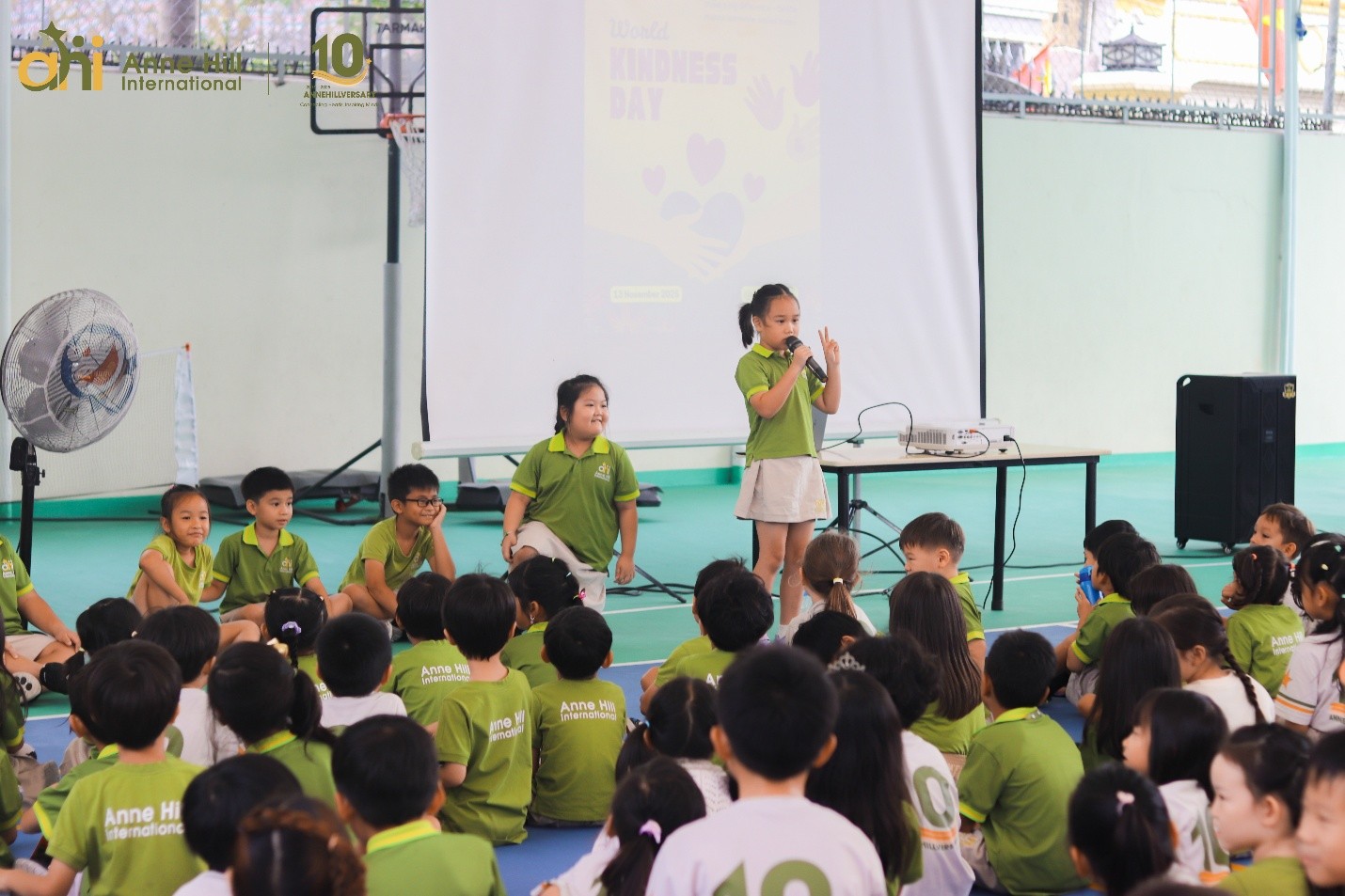
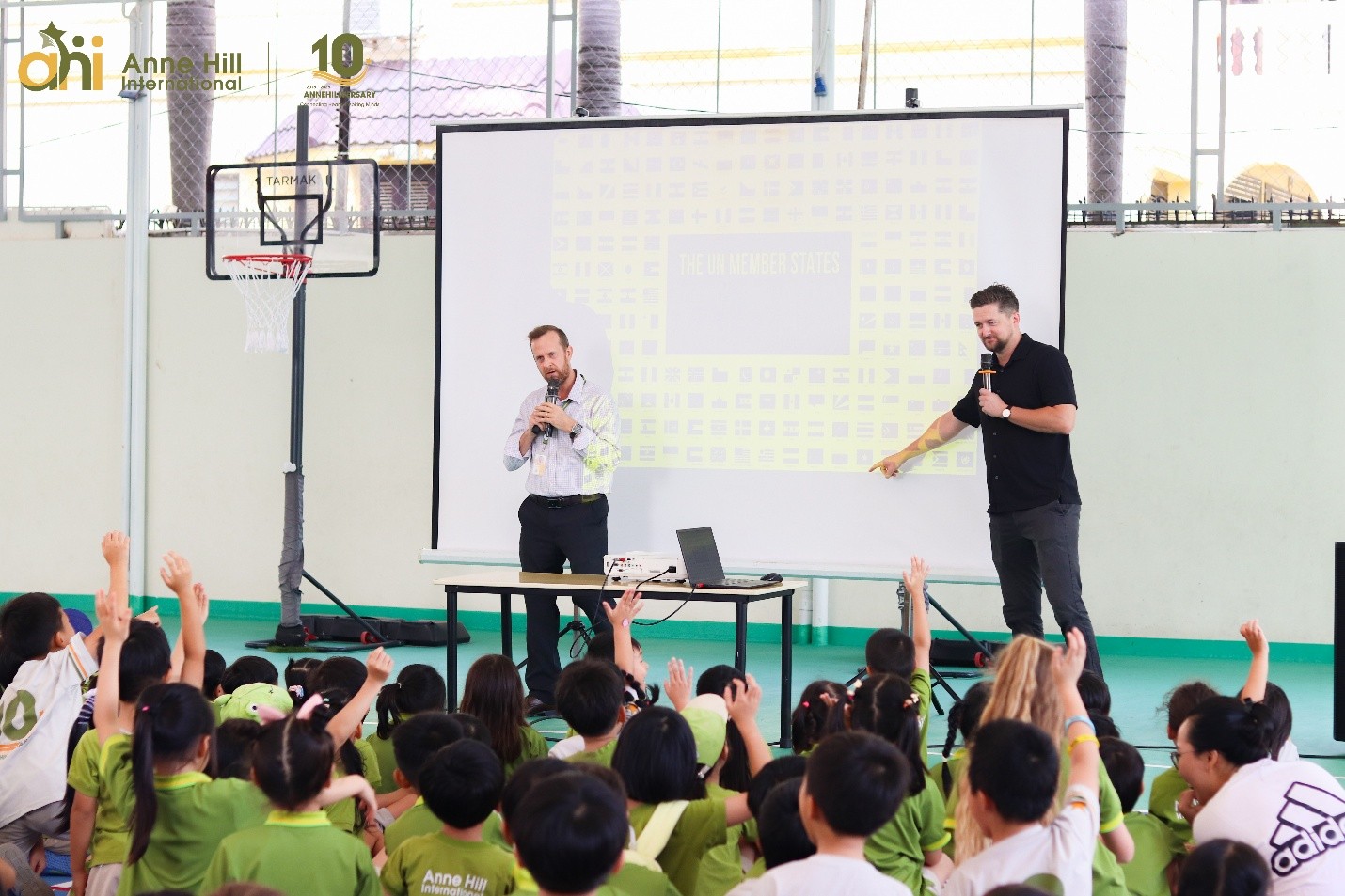
Assemblies such as the Anne Hill Values Assembly, United Nations Day Assembly, and World Kindness Day Assembly provide opportunities for students to practise these values. The United Nations Day Assembly introduces students to the principles recognised internationally, encouraging them to become adaptable communicators across cultures. The World Kindness Day Assembly highlights empathy and respect, encouraging students to practise kindness in their daily lives. As a studentled event, it demonstrates resilience and collaboration, showing how students take ownership of their learning.  

Together, these assemblies provide a powerful platform for intercultural learning and the development of global citizenship, while embracing the AHI values that guide our students every day. 

Teachers introducing the member states of the United Nations (UN) to students during the UN Day assembly 

Students introducing the meaning behind World Kindness Day Assembly 

Celebrating Cultural Diversity 

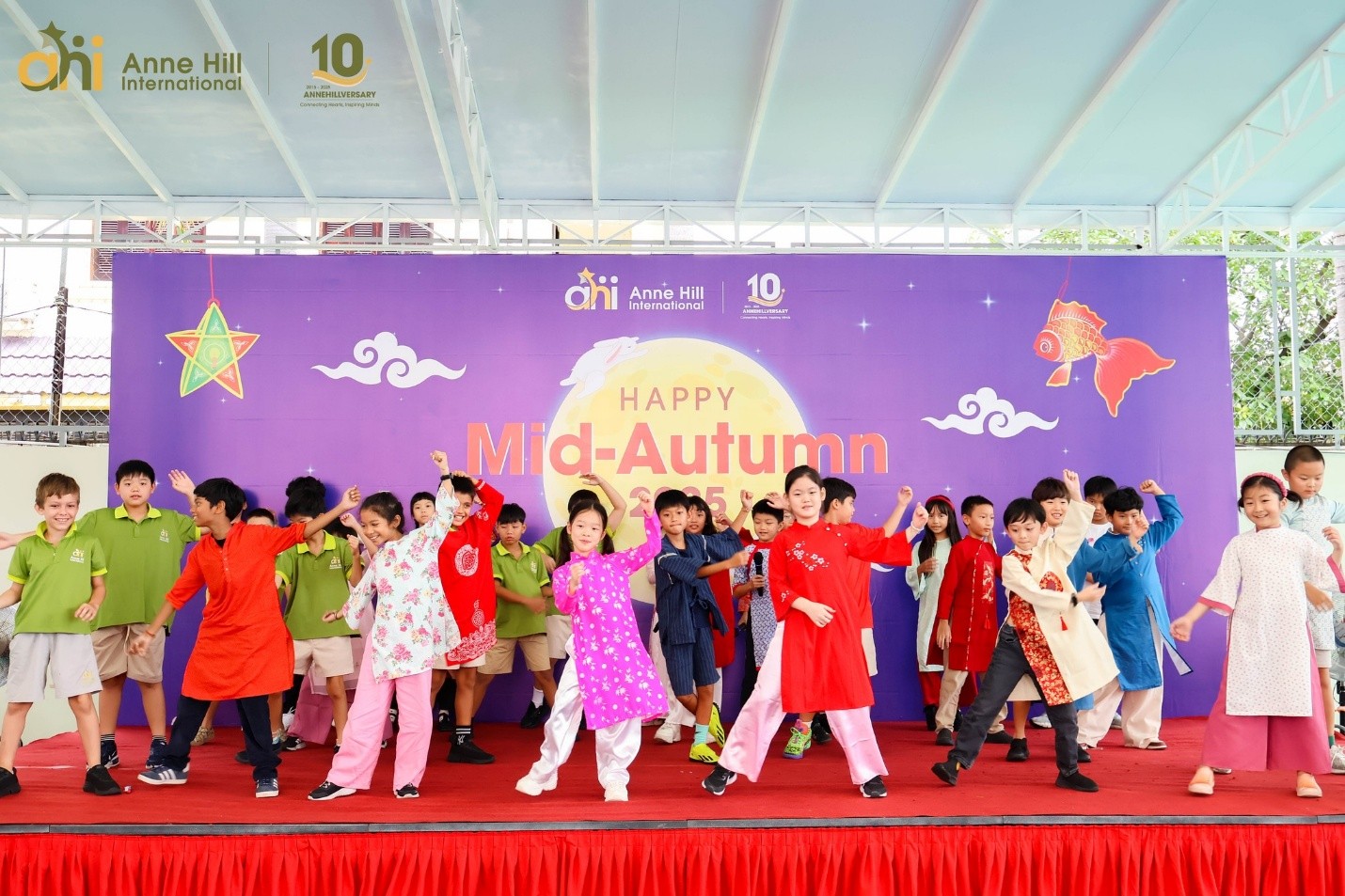
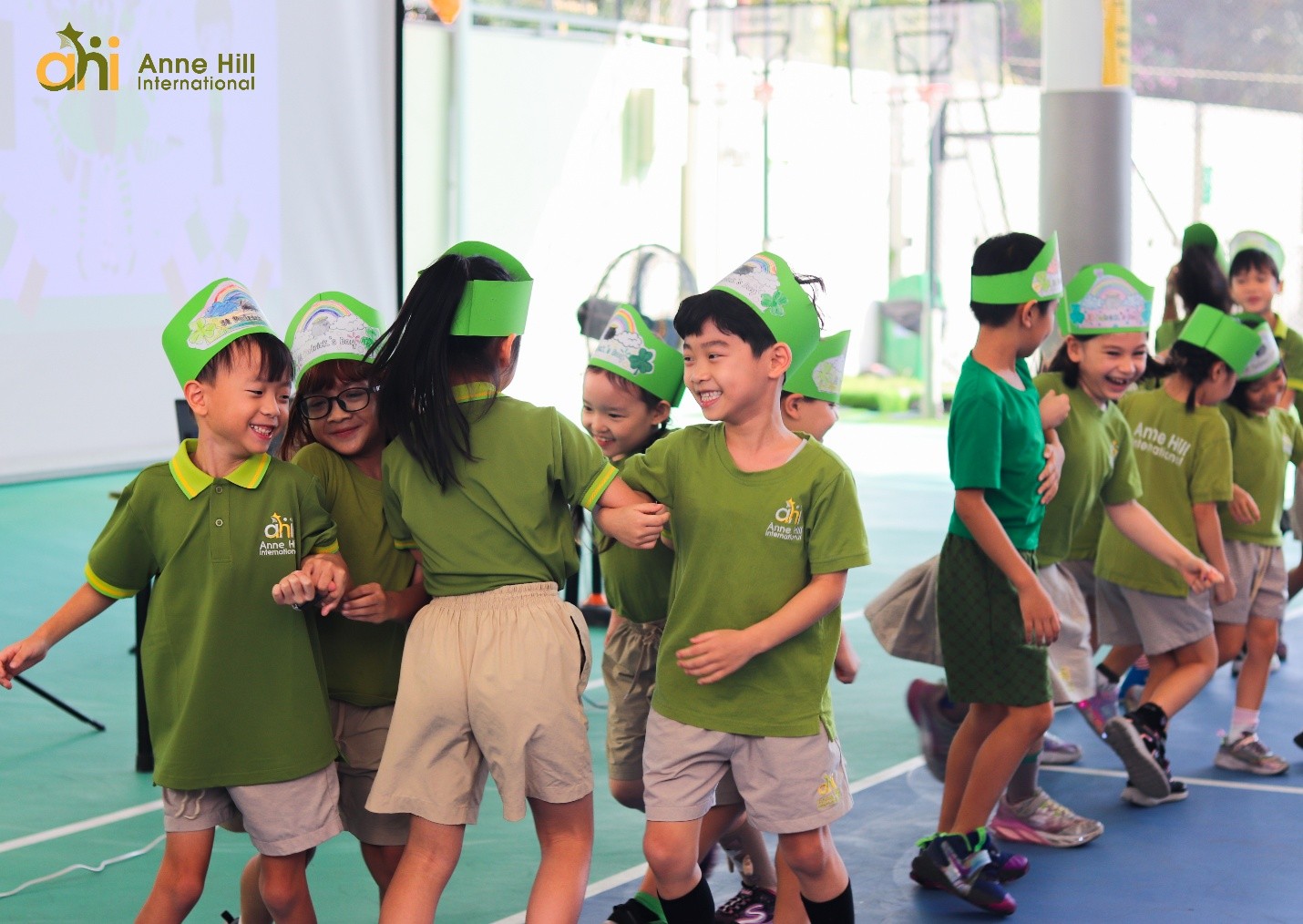
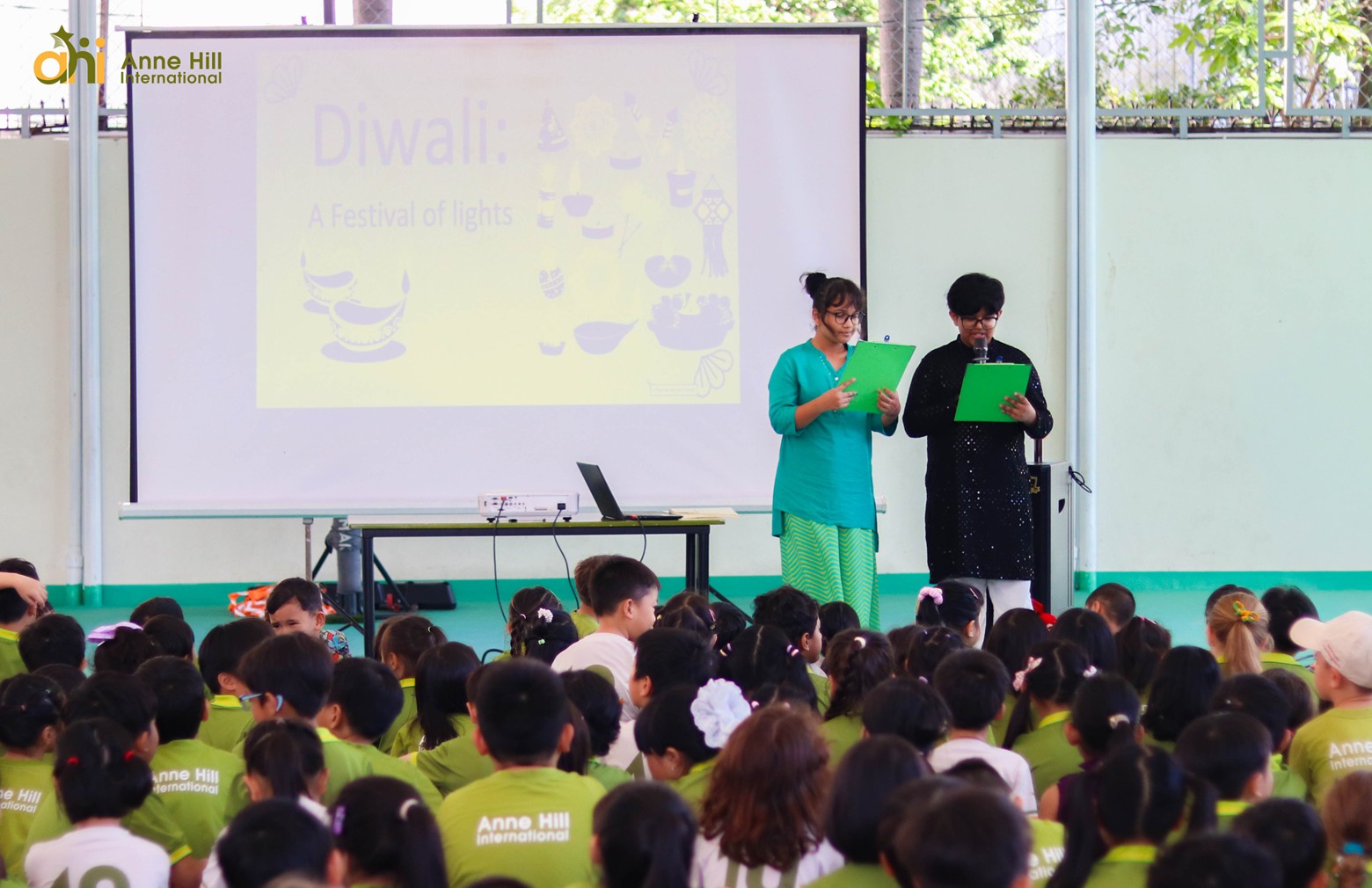
Understanding and respecting different cultures is a key foundation of global education at Anne Hill International School. By celebrating festivals in assemblies, students discover traditions from around the world and gain opportunities for intercultural learningAssemblies such as the MidAutumn FestivalSt Patrick’s DaySongkranDiwali, and Vietnamese Teachers’ Day introduce practices from different cultures and highlight values such as respect and gratitude. These occasions allow students to see, experience, and learn from the customs of others, building their knowledge and appreciation of diversity. 

Students performing in traditional outfits that represent their own cultures during the MidAutumn Assembly 

Students performing a festive dance during the St Patrick’s Day assembly 

Students sharing what Diwali means during the Diwali Assembly  

With more than thirty nationalities represented at AHI, diversity is reflected in every assembly. Experiencing festivals across cultures helps students develop empathy and respect as they compare different practices and values. This cultural exchange encourages them to recognise both differences and common ground, fostering a broader perspective and a global mindset. Through these assemblies, students learn that diversity strengthens community and enriches learning, preparing them to become global citizens who embrace intercultural understanding. 


Fostering Creativity and Joy in Learning  

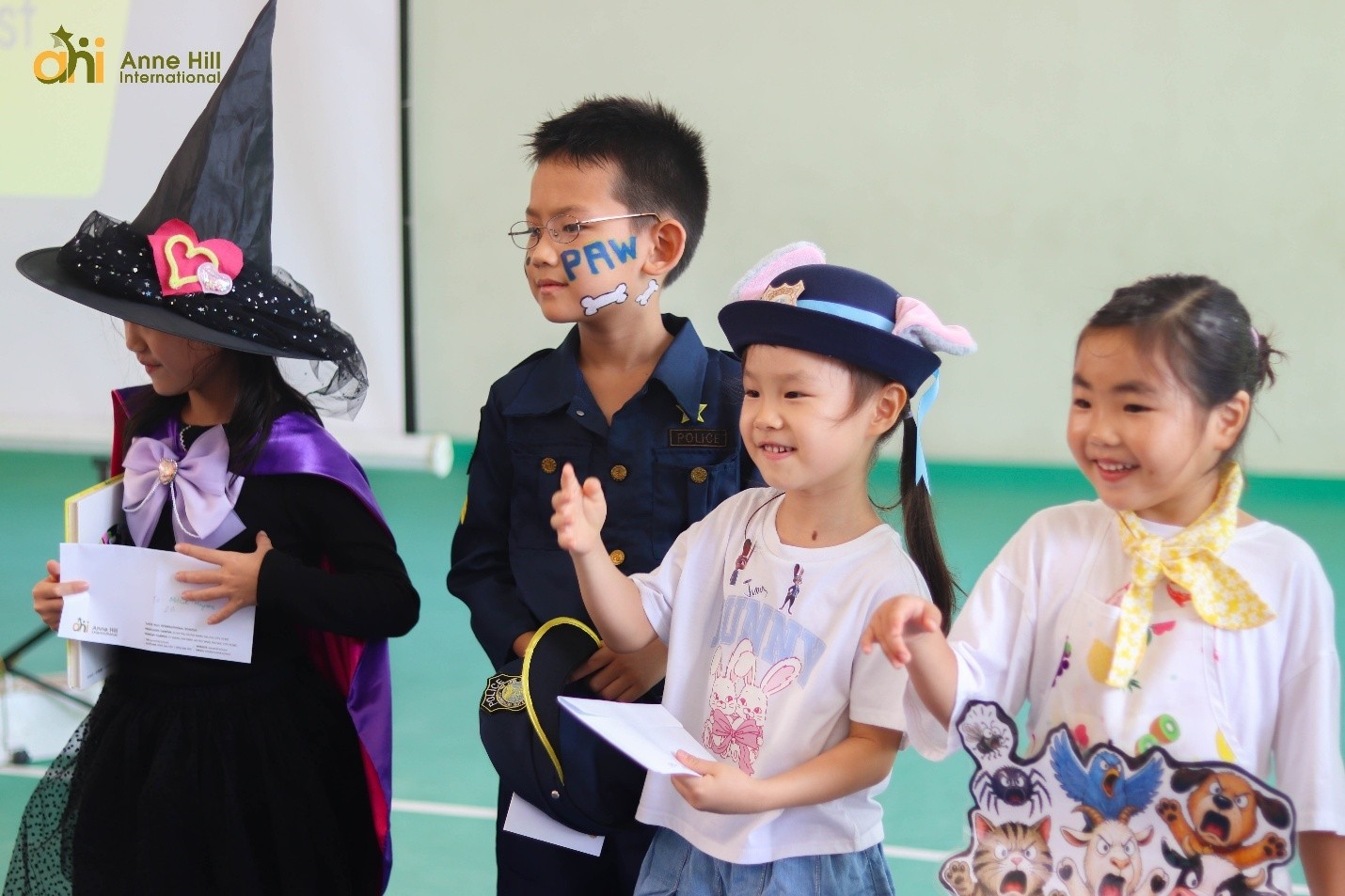
For our students, assemblies are moments where imagination and learning come together in fun ways. They give children the chance to step outside the classroom and try new things. On World Book Day, students and teachers dressed up as their favourite book characters, turning the assembly into a colourful celebration of stories. This playful activity encouraged a love for reading and showed that learning can be exciting and enjoyable. 

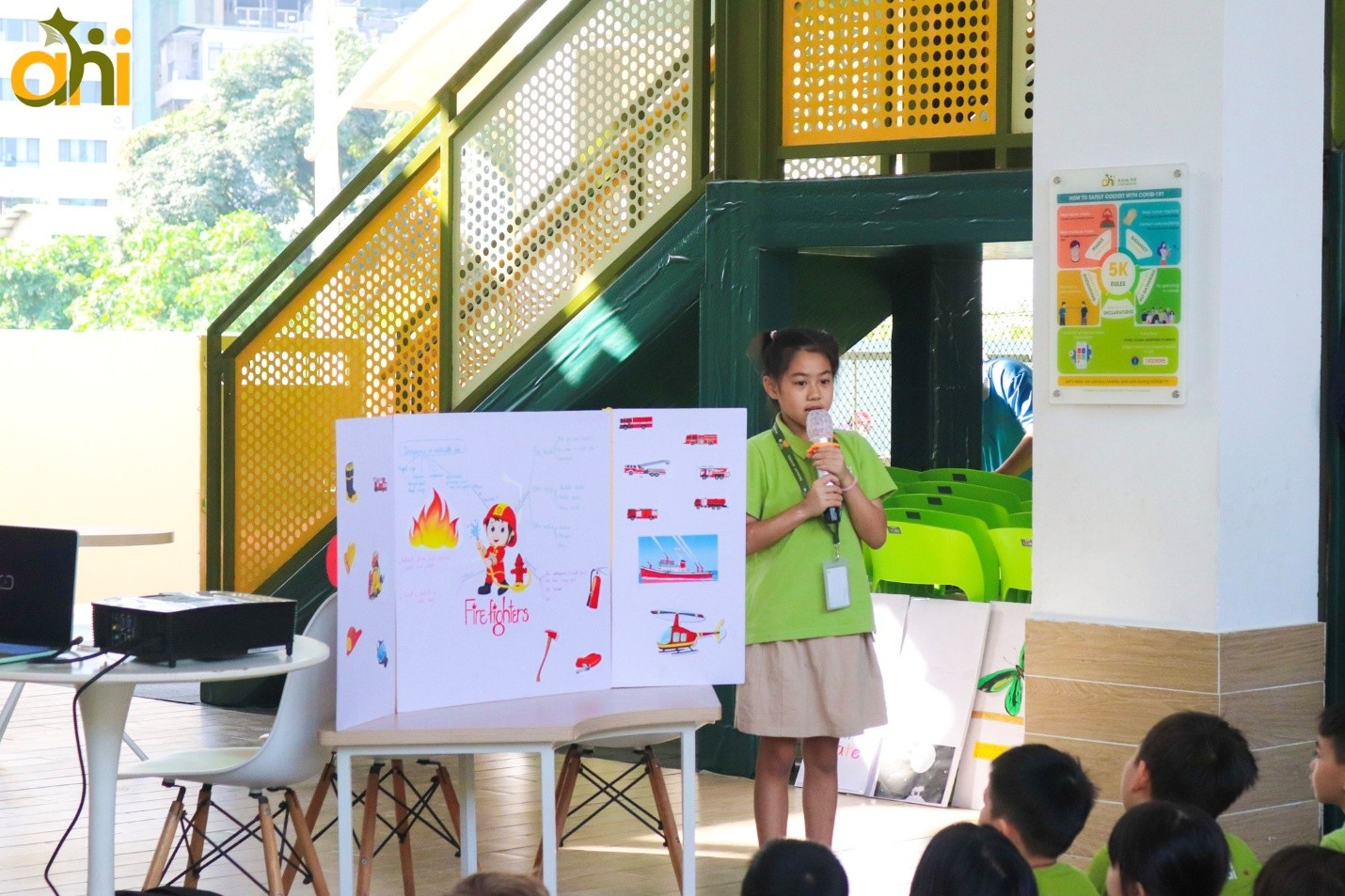
Our Public Speaking Competition gave students another way to shine. Our students shared poems with their classmates and parents. Some chose wellknown pieces, while others wrote their own. Standing on stage gave them a chance to practice speaking clearly and confidently. Assemblies like this help students express themselves both visually and verbally, helping them build confidence, creativity, and communication skills. By mixing fun with learning, students become more curious and find joy in their studies. These experiences help them grow into caring learners who value diversity and intercultural understanding, preparing them to take their place as global citizens.  

Our winners of the Best Costume Award during the World Book Day assembly 

A student sharing a poem about firefighters during an assembly 

Parents as Partners 

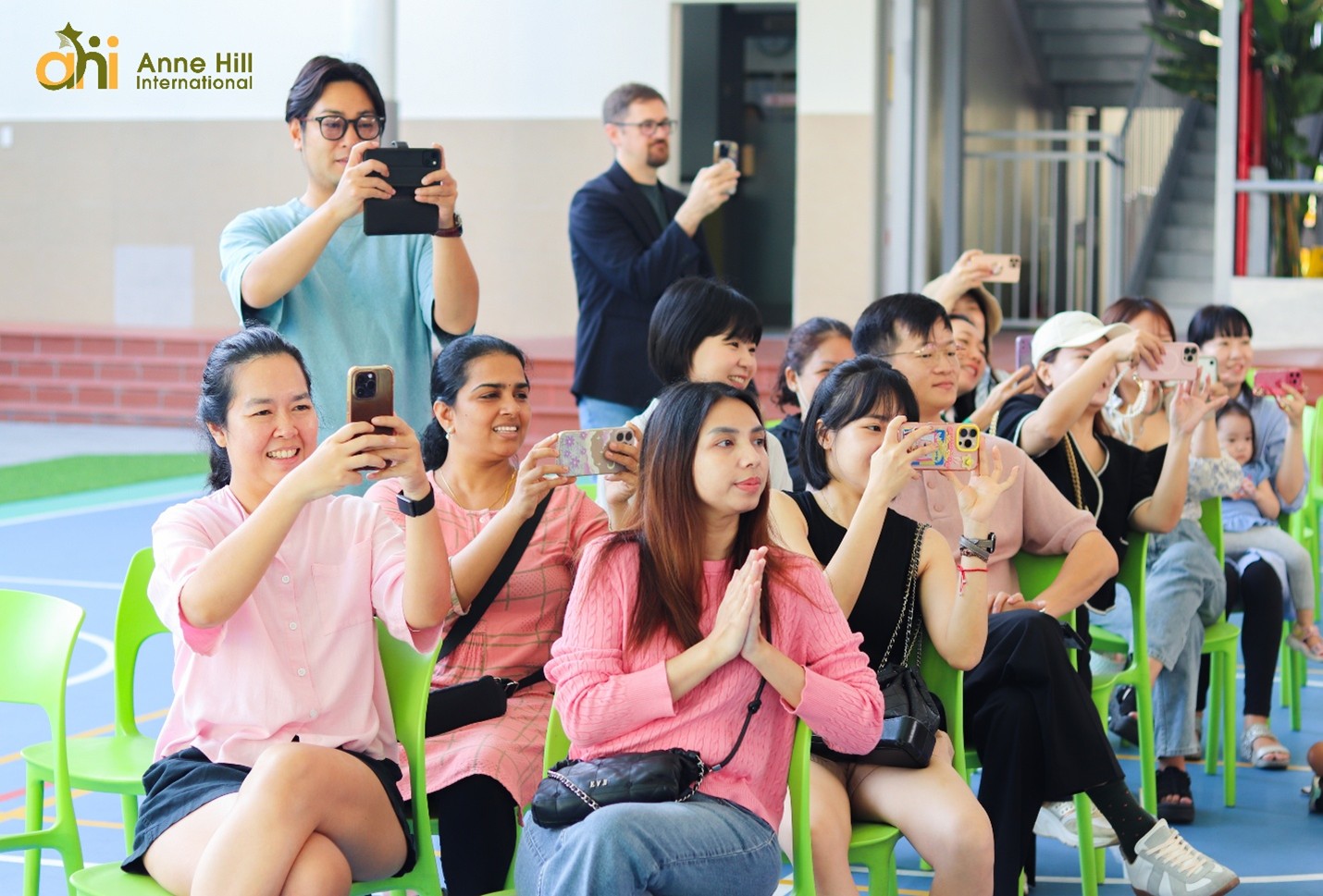
At Anne Hill International School, assemblies are enriched by the involvement of families. Parents are always invited to attend, encourage their children, and witness their performances during assemblies. Their presence strengthens the bond between home and school, giving children confidence and allowing parents to be present in their learning journey. 

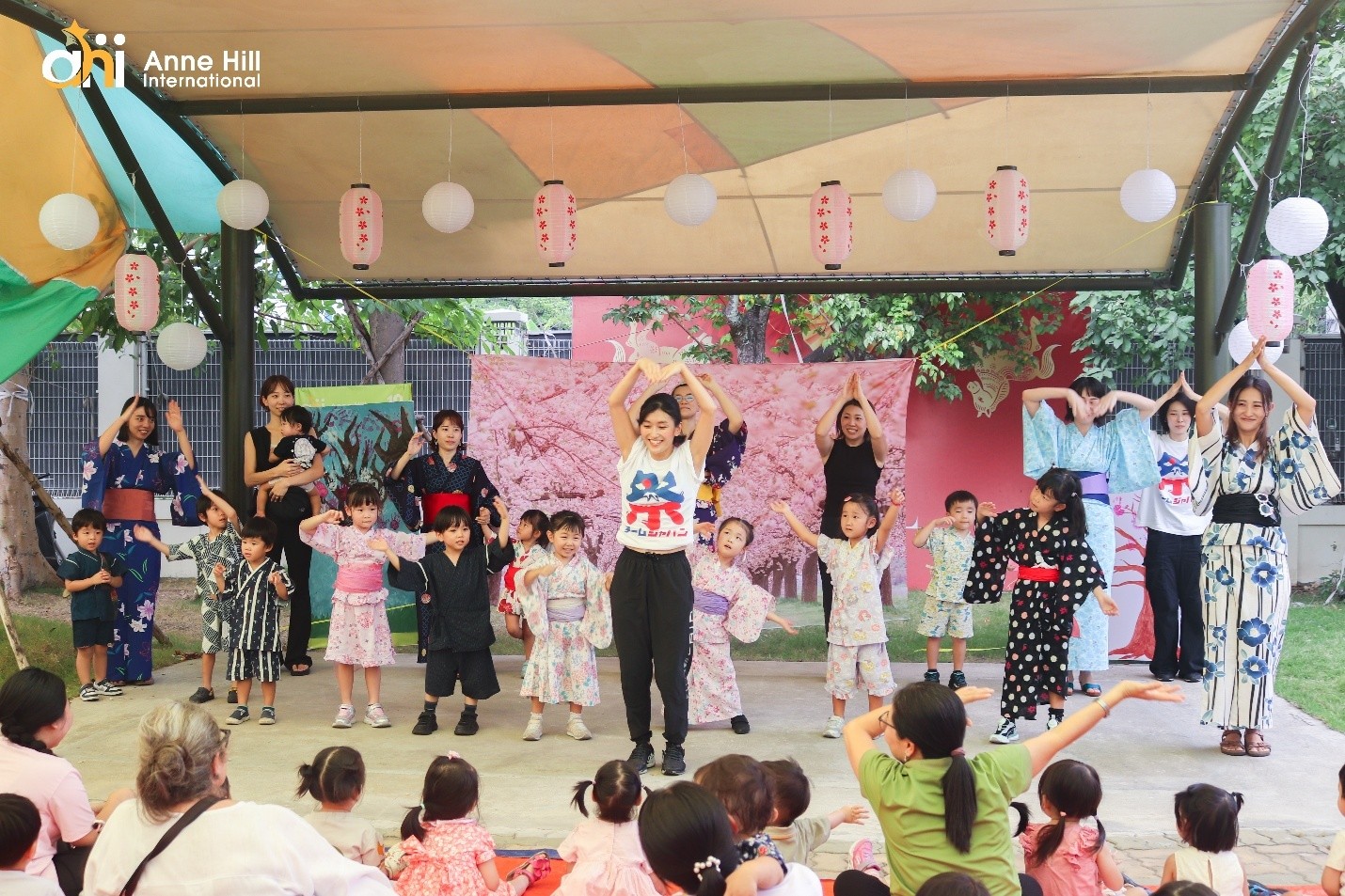
Parents also support the organising of assemblies such as Sakura Hanami assembly, Diwali assembly and St. Patrick’s Day assembly. These contributions help bring traditions and perspectives that broaden students’ understanding of diversity. 

Whether it is attending, encouraging, or supporting, parents are true partners in our assemblies, helping us build meaningful experiences that connect home and school. 

Parents capturing their children’s dance during the St. Patrick’s Day Assembly 

Japanese mothers dancing with their children at Sakura Hanami Assembly 

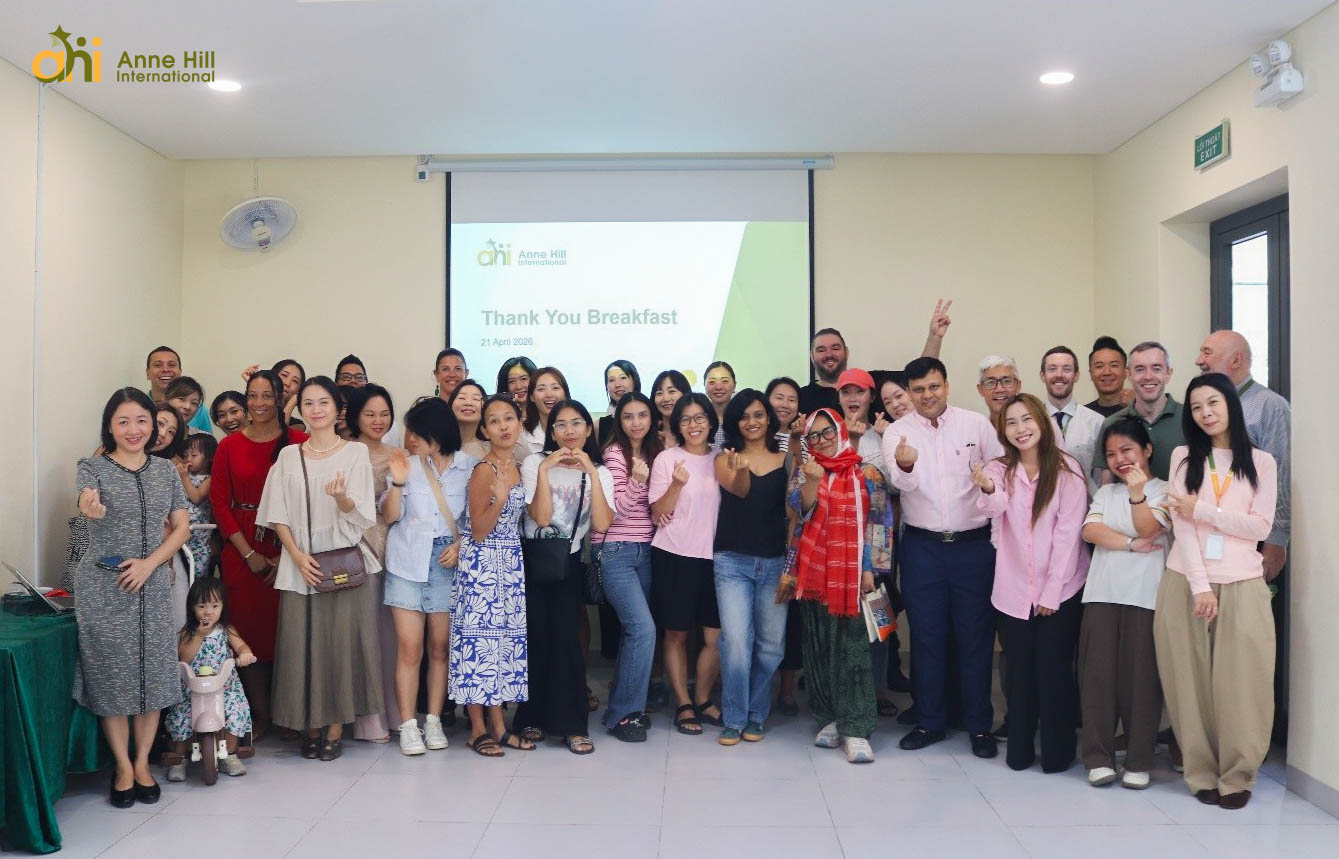
Parents gathering for a thankyou breakfast, recognising their support in assemblies and school events throughout the year 

Each assembly is a stepping stone, nurturing creativity and shaping students into global citizens. By carrying forward values of collaboration, diversity and responsibility, students learn that intercultural understanding is built daily through respect, empathy and community. 


Learn More About School Life at AHI  

Take a look at our Events Calendar and discover the activities we have planned.

Anne Hill International School Expands Campus for Academic Year 2026–27

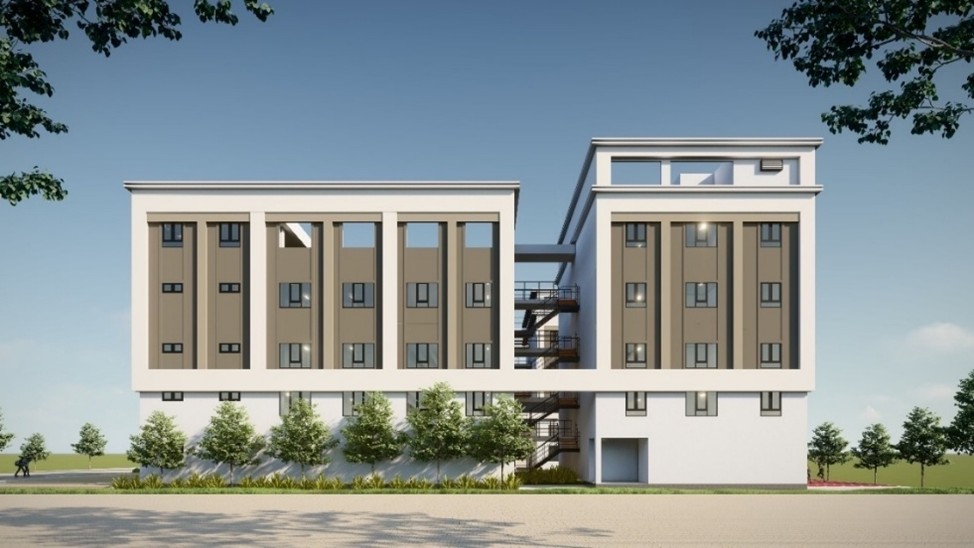
Anne Hill International School (AHI) is proud to announce an exciting new milestone in its development, with the expansion of its new campus in An Khanh Ward (Ho Chi Minh City), for the Academic Year 2026–27. This strategic development reflects AHI’s ongoing commitment to delivering high-quality international education within a dynamic and supportive school community. 
A Purpose-Built Modern Learning Environment 

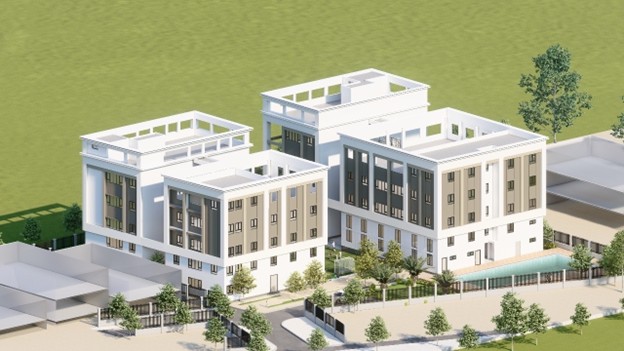
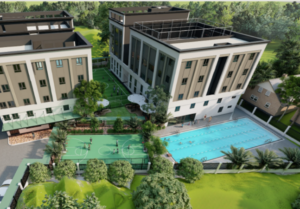
Conveniently located at 12 Vo Truong Toan, the new campus offers easy access to surrounding residential areas such as Lumiere Rivers, Masteri An Phu, Parkland and The Vista An Phu, etc. It also has seamless connectivity to AHI’s current campus on Giang Van Minh Street. Designed as a modern learning environment, the purpose-built campus will support both academic excellence, student development and well-being. 

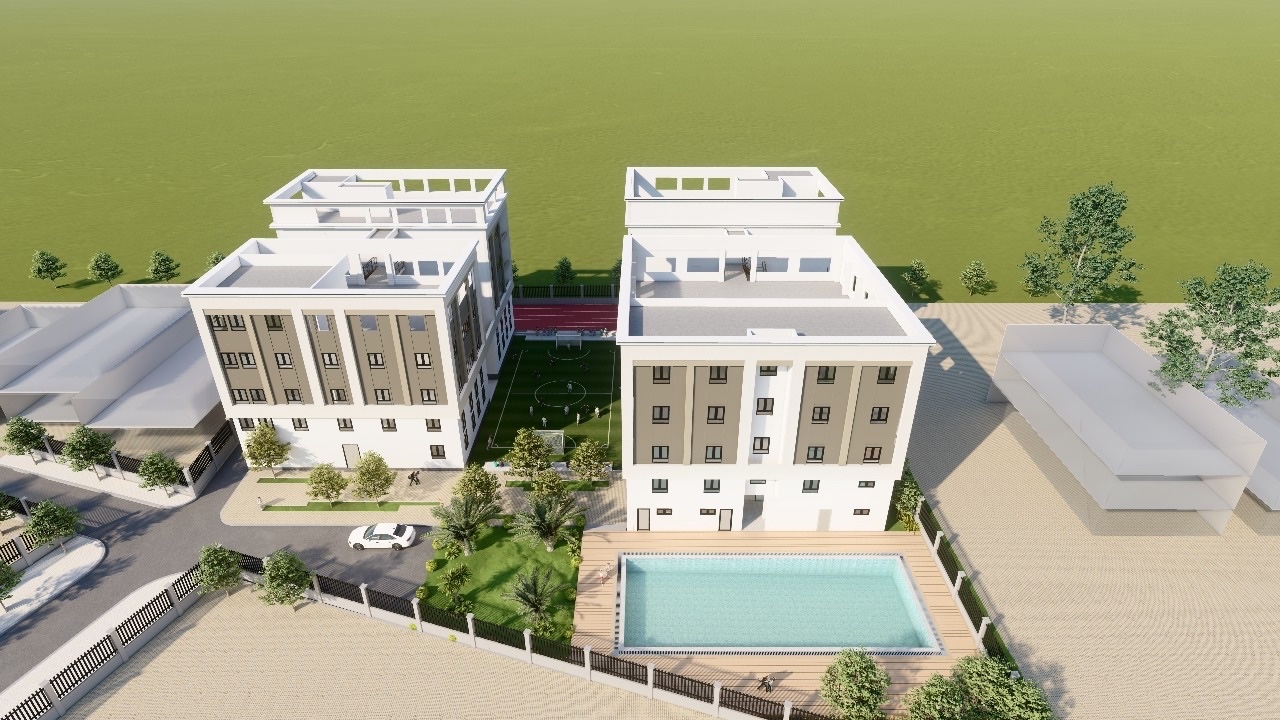
The campus will comprise four main buildings equipped with a comprehensive range of school facilities, including: 


Main Buildings
Main buildings

Swimming Pool
On-campus 25-meter swimming pool

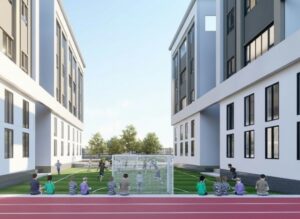
Outdoor Field
Spacious outdoor field

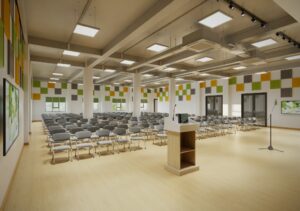
Hall
Modern 272m² multi-purpose hall for performances, events, and school gatherings

Design & Technology Lab
A 100m² Design & Technology Lab equipped for future-ready, Cambridge-aligned learning

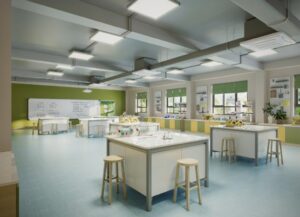
Science Labs
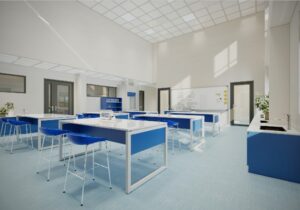
Two fully equipped 100m² Science labs meeting the highest safety standards for student exploration

Library
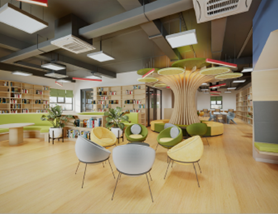
A thoughtfully designed 168m² library space featuring a rich collection of books

Classrooms
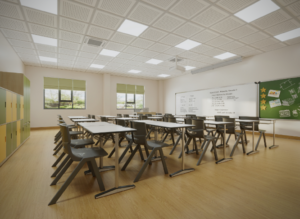
Spacious 65m² classrooms, bathed in natural light and thoughtfully fitted with contemporary equipment

These school facilities are thoughtfully designed to support diverse learning experiences, empowering students to grow as well-rounded, confident, capable, and globally-minded learners. 

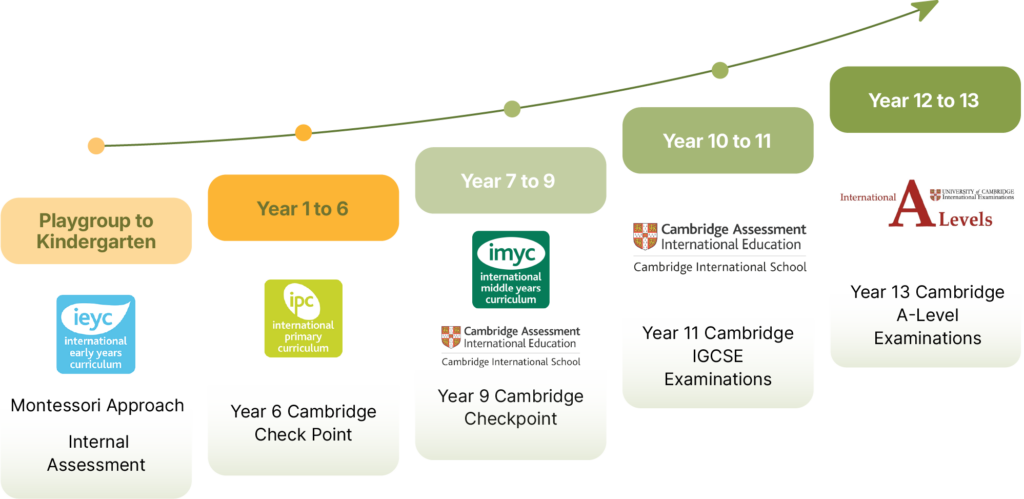
A Complete Learning Journey – Now Through Year 10   

For the past 10 years, Anne Hill International School has proudly nurtured confident, curious learners through its Preschool and Primary programmes. From the Academic Year 2026–27, AHI will extend its educational pathway to include Year 10, offering families greater continuity as students progress through each stage of their learning journey.

The new Secondary programme represents the natural continuation of the AHI experience, building on the school’s strong foundation while maintaining the same commitment to academic excellence, student wellbeing, and inquiry-based learning.

Explore our Secondary Curriculum and discover the next stage of learning at Anne Hill International School.

AHI Student’s Learning Pathway

Timeline and Campus Opening   

Construction is progressing as planned, with the new campus expected to be operational in Semester 1 – Academic Year 2026–27. Prior to the start of the academic year, parents and families will be invited to visit and experience the Vo Truong Toan campus firsthand. Further updates on academic and operational arrangements, including class allocations and pick-up and drop-off procedures, will be shared in due course. 

3D front view rendering of the Vo Truong Toan campus 

Strengthening the AHI School Community   

This expansion marks a significant step forward in the growth of Anne Hill International School and Anne Hill Education Group, made possible through the continued trust and partnership of its parent community. It reflects our commitment to continuous improvement—enhancing teaching and learning quality while strengthening its holistic approach to international education. 

As Anne Hill International School enters this new chapter, the school remains dedicated to creating a safe, inspiring, and future-ready environment where students can thrive academically, socially, and emotionally in a global context.   

Learn More About AHI News  

Stay connected with the latest stories and updates from  Anne Hill International School.  

Visit our AHI News section  to explore upcoming initiatives, discover exciting school events, and engage with meaningful community projects.  

Join us today and be part of the journey! 

AHI Roadshow 2026 Recap – Joyful Easter Moments & Community Spirit

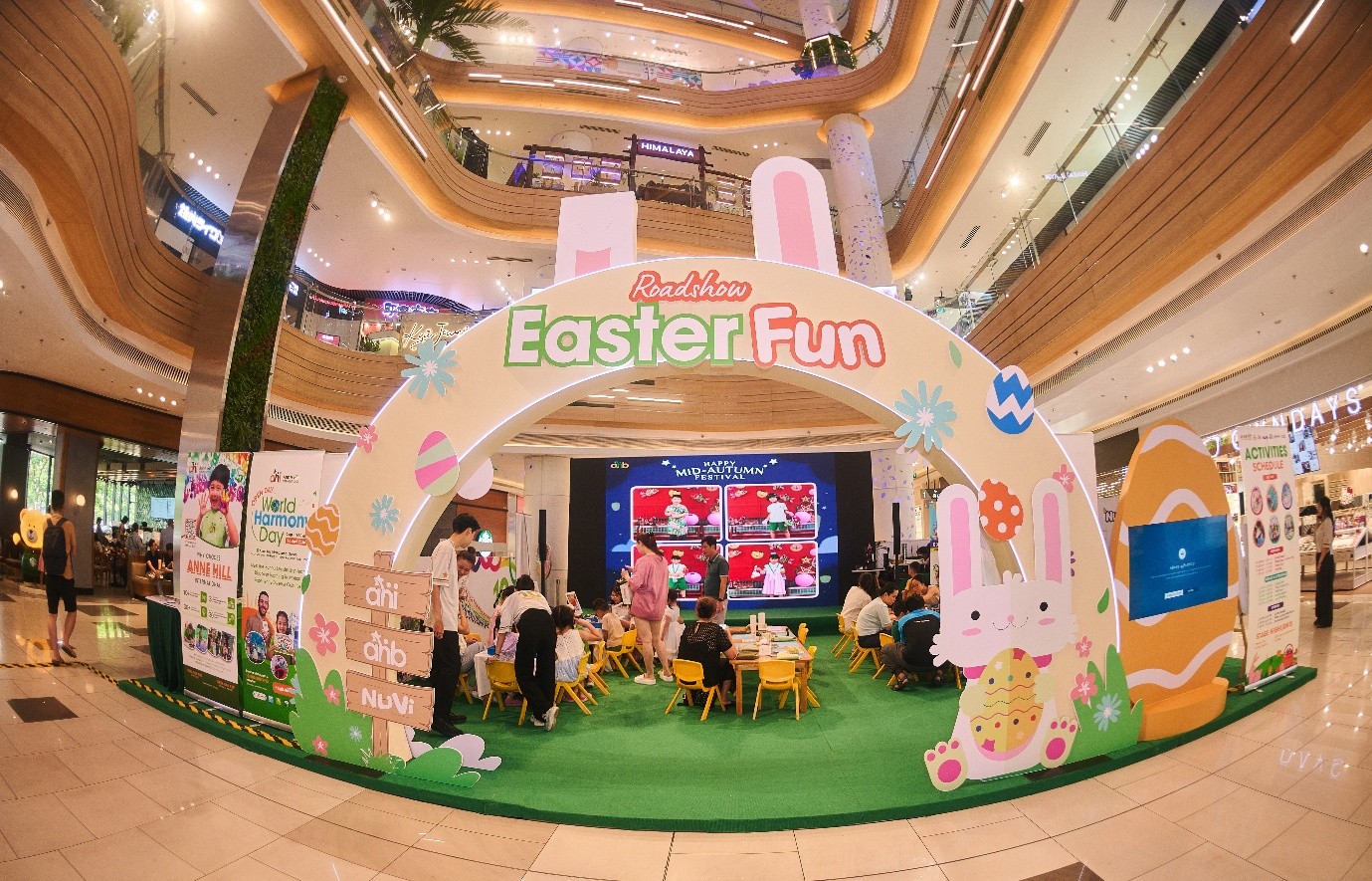
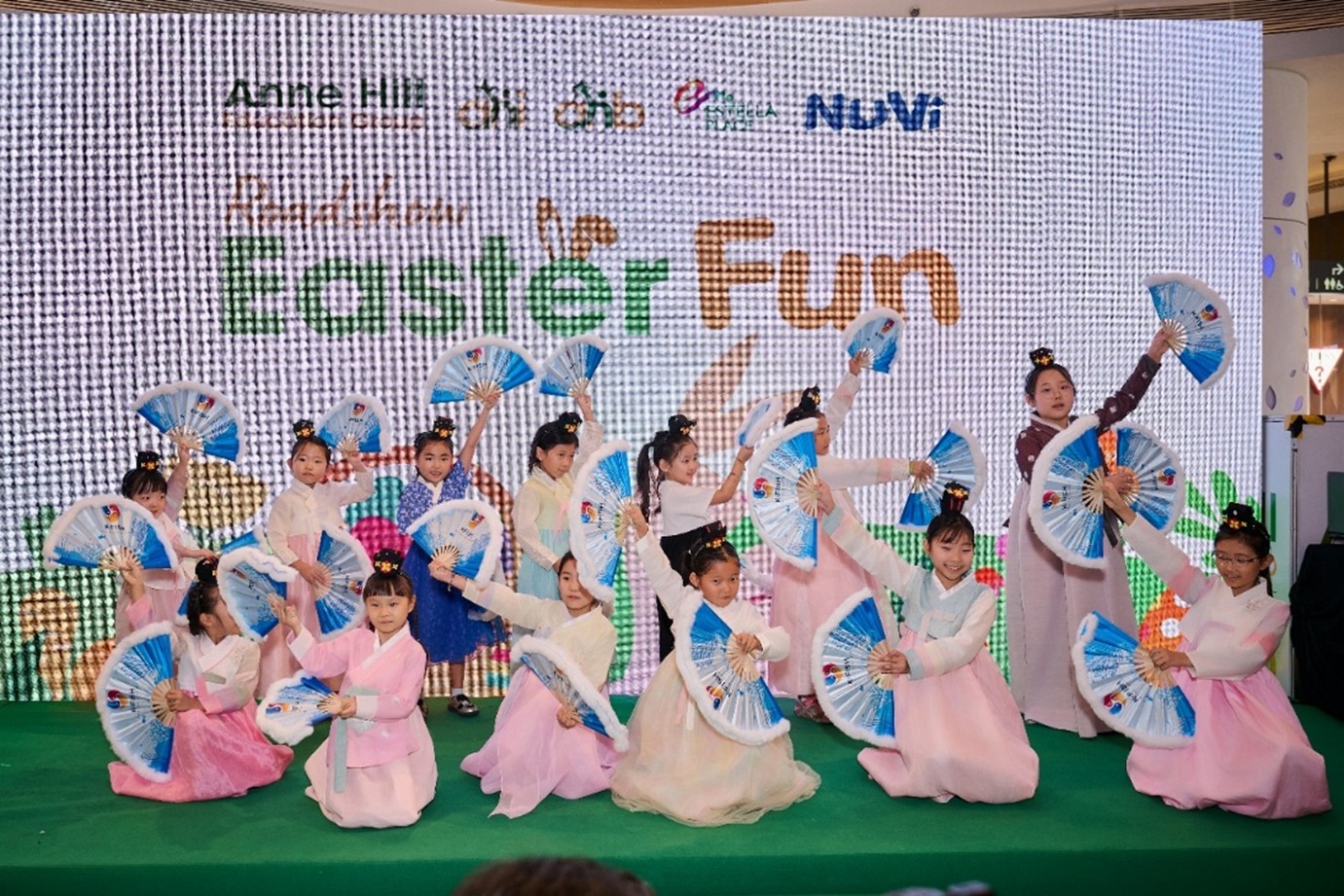
On 4th April, Anne Hill International School (AHI) hosted the Easter Fun Roadshow at Estella Place mall in Ho Chi Minh City. The event welcomed more than 300 families and created a joyful space where children, parents and the wider community came together. It was a chance to celebrate Easter through play, creativity and cultural exchange. The Roadshow, one of the most anticipated family events of the year, offered a mix of performances, workshops and interactive experiences. In addition, the programme featured Zumba sessions and traditional dances by Indonesian and Korean students, showing the diversity and energy of the AHI community.

Performances That Captured the Crowd

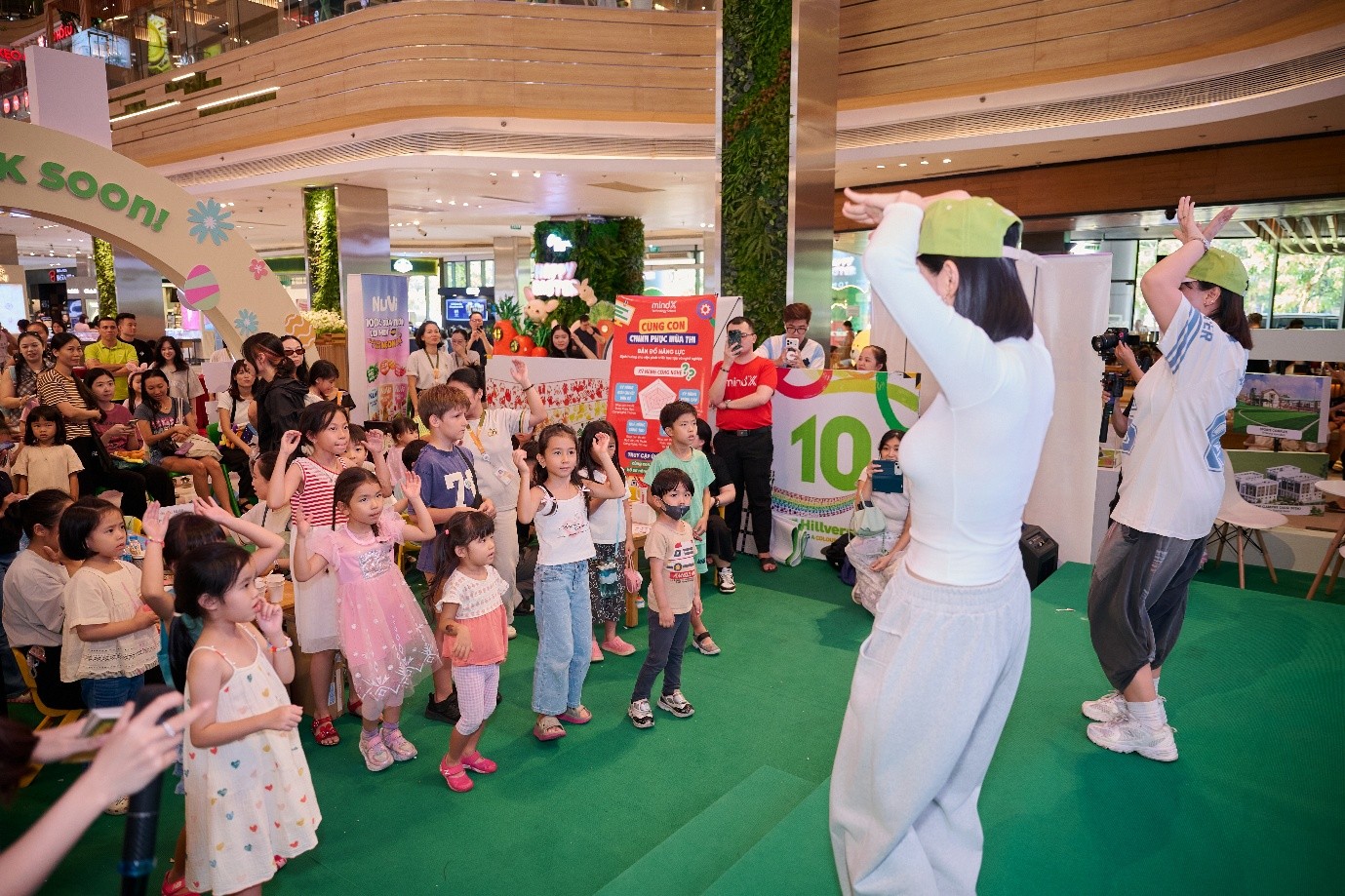
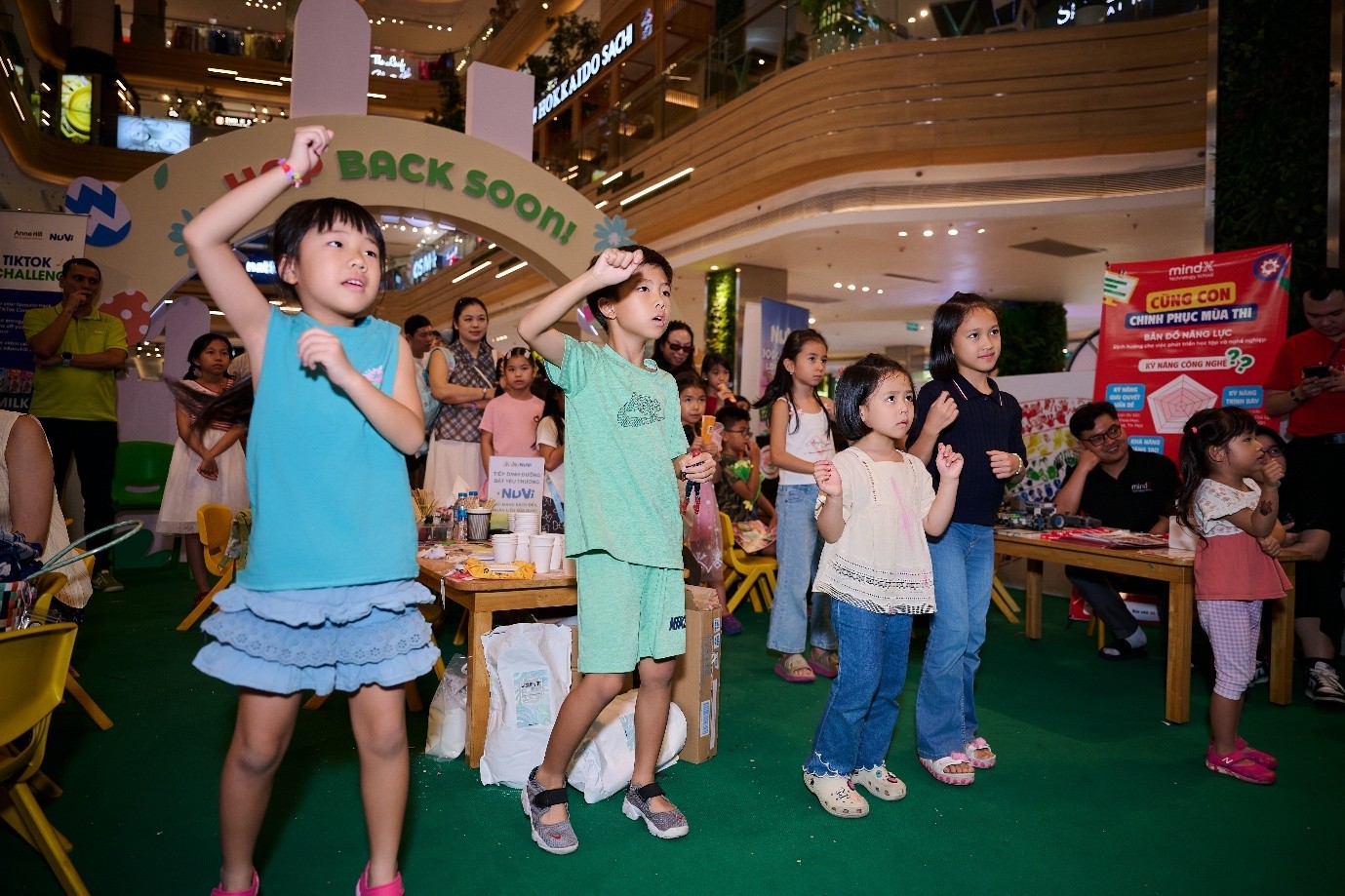
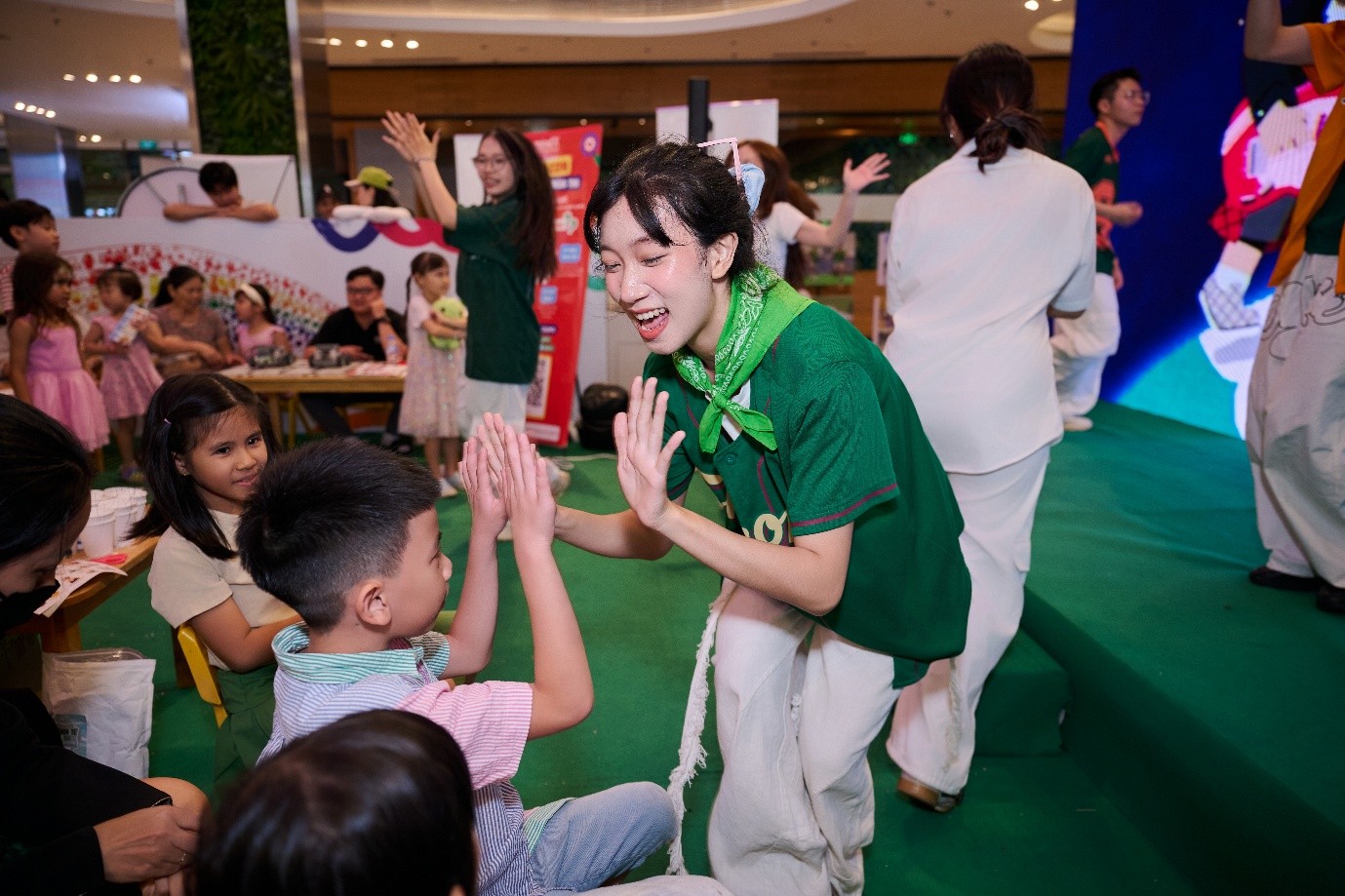
The Easter Fun Roadshow at Estella Place was a true celebration of community spirit and joyful learning. The Zumba session became the highlight, with lively music filling the mall and children dancing with enthusiasm. Parents joined in as well, creating a heartwarming scene of families moving together and sharing laughter.

Zumba instructors brought the energy to the stage, leading the crowd in a joyful dance session 

Kids enjoying the rhythm and movement at the Zumba session 

Our Anne Hill International School students proudly performed traditional dances from Indonesia and Korea, showcasing both their cultural heritage and their talent. Their performances were graceful and engaging, and the audience responded warmly by clapping along and showing appreciation for the creativity on stage.

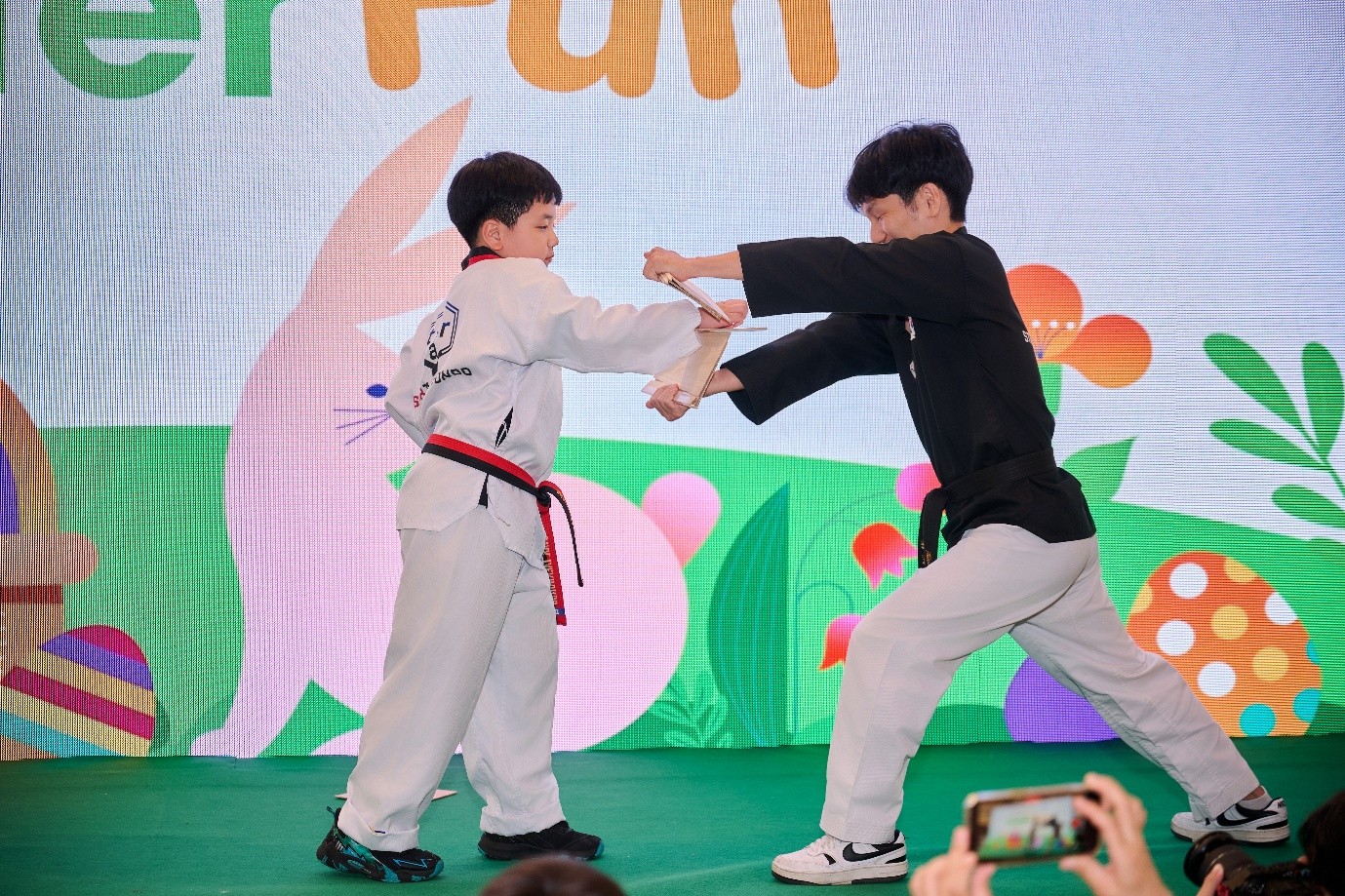
The excitement grew with a Taekwondo demonstration that impressed the crowd with its power and precision. A TikTok dance performance added a modern spark, drawing children to copy the moves while parents encouraged them from the sidelines. These moments transformed the shopping centre into a vibrant hub of family fun, where every smile and cheer added to the celebration.

A graceful performance by Korean dancers in traditional costume, bringing culture to life 

A young Taekwondo student demonstrates strength with a powerful board-breaking punch 

TikTok Dancers sharing the joy of movement with children 

A Day of Family Fun and Learning

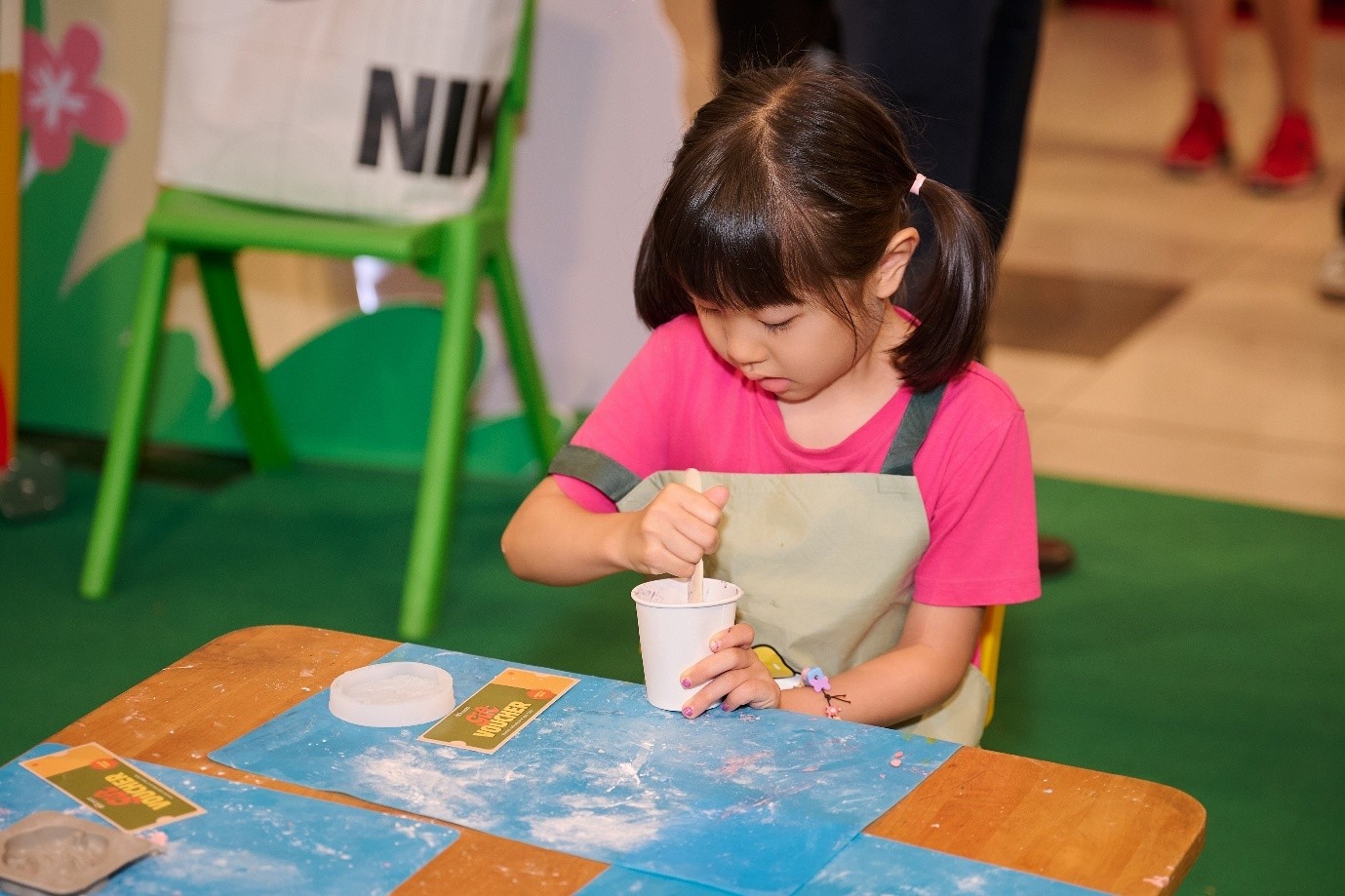
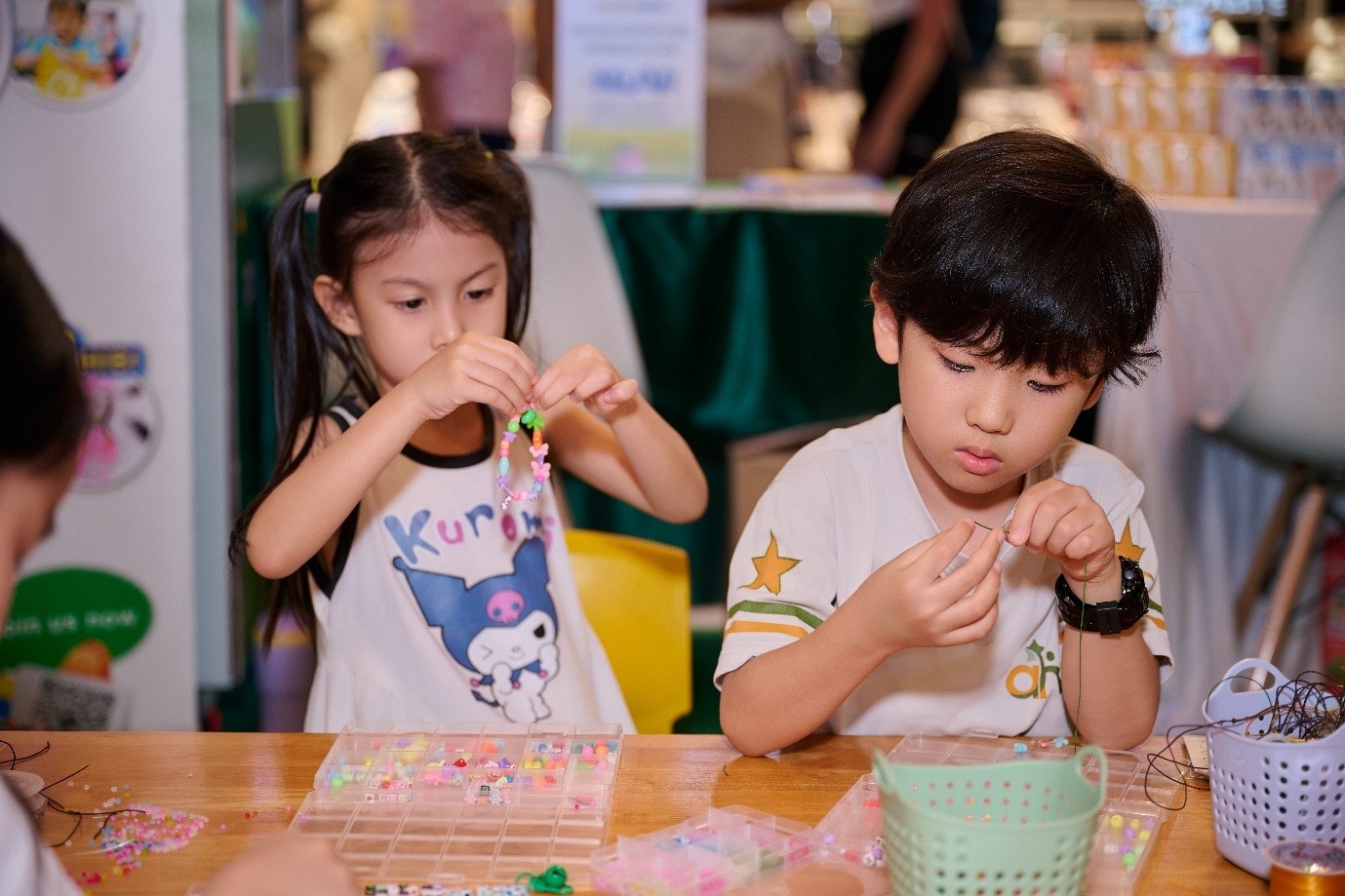
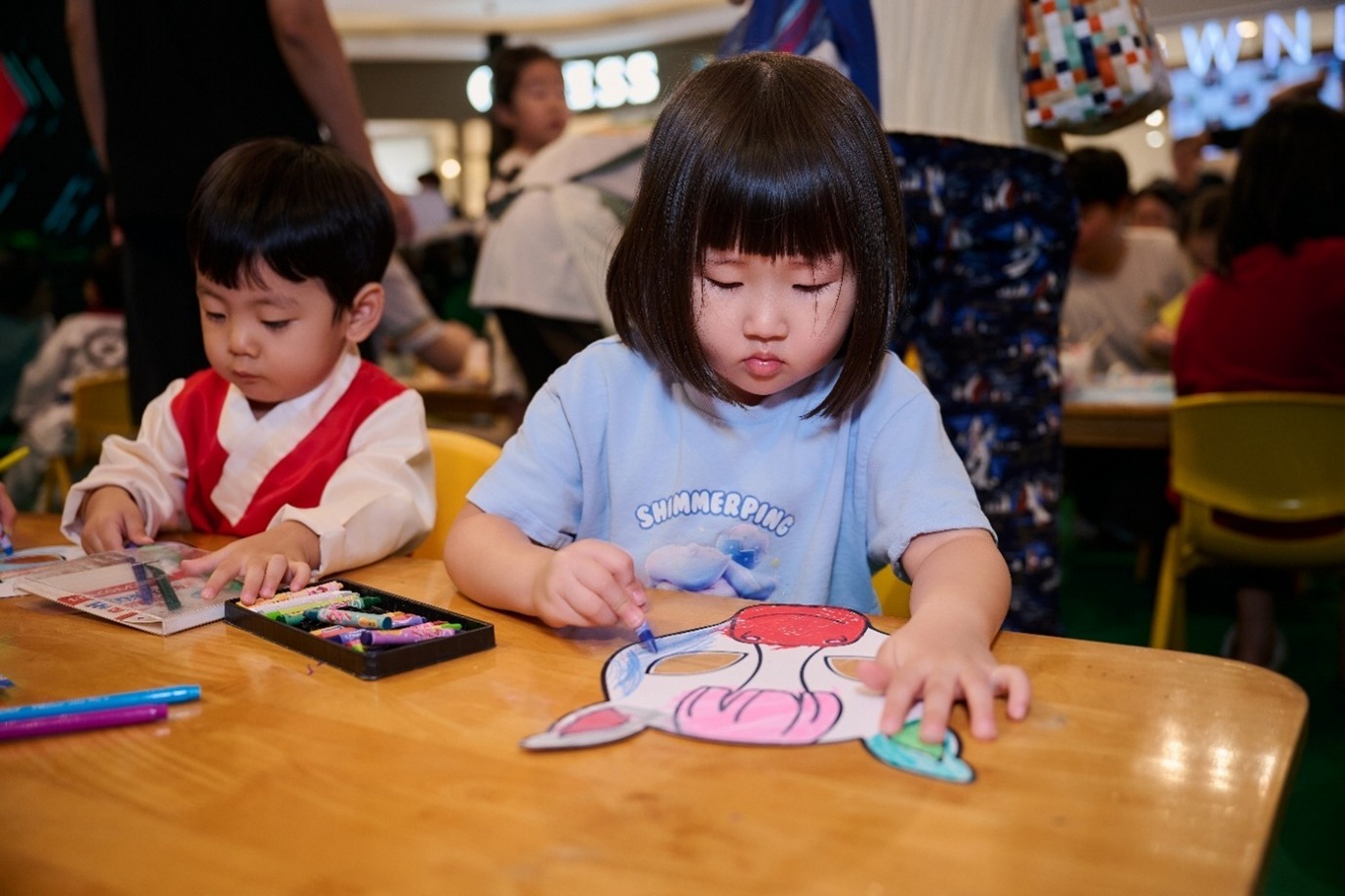
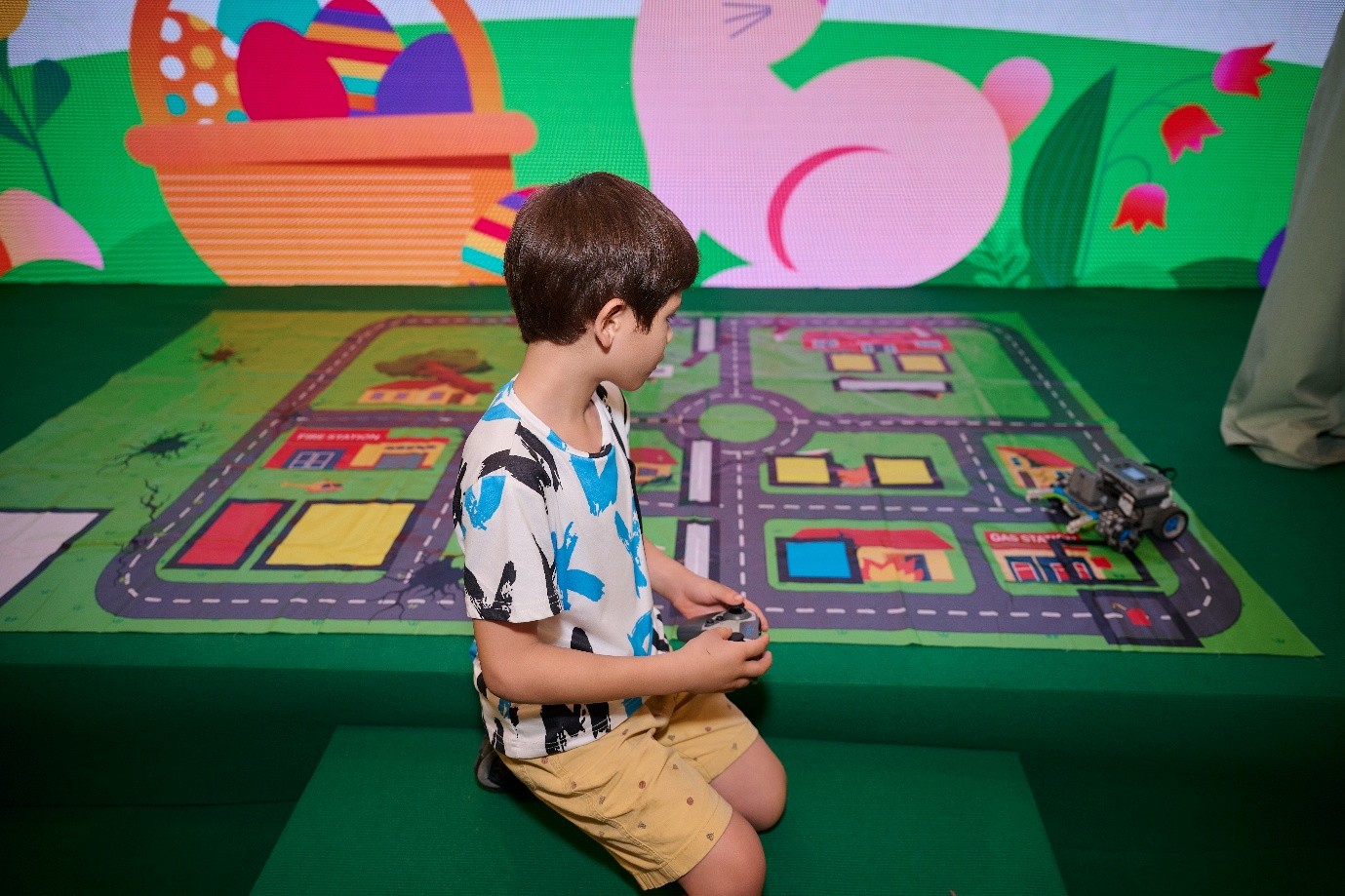
The Roadshow was designed to welcome every age group, making sure preschoolers, primary and secondary students all found something to enjoy. Children took part in hands-on activities including clay modelling, colouring, Jesmonite crafts, bracelet making, face painting, robotics play and interactive Science Talk sessions. Each activity gave them the chance to explore, create and learn in ways that felt exciting and accessible.

A moment of concentration as a child blends Jesmonite to begin their creation 

Two children concentrating as they carefully create their bracelets 

Young artists concentrating on their creations during the drawing activity 

A moment of concentration and fun as a boy plays with his remote robotic car 

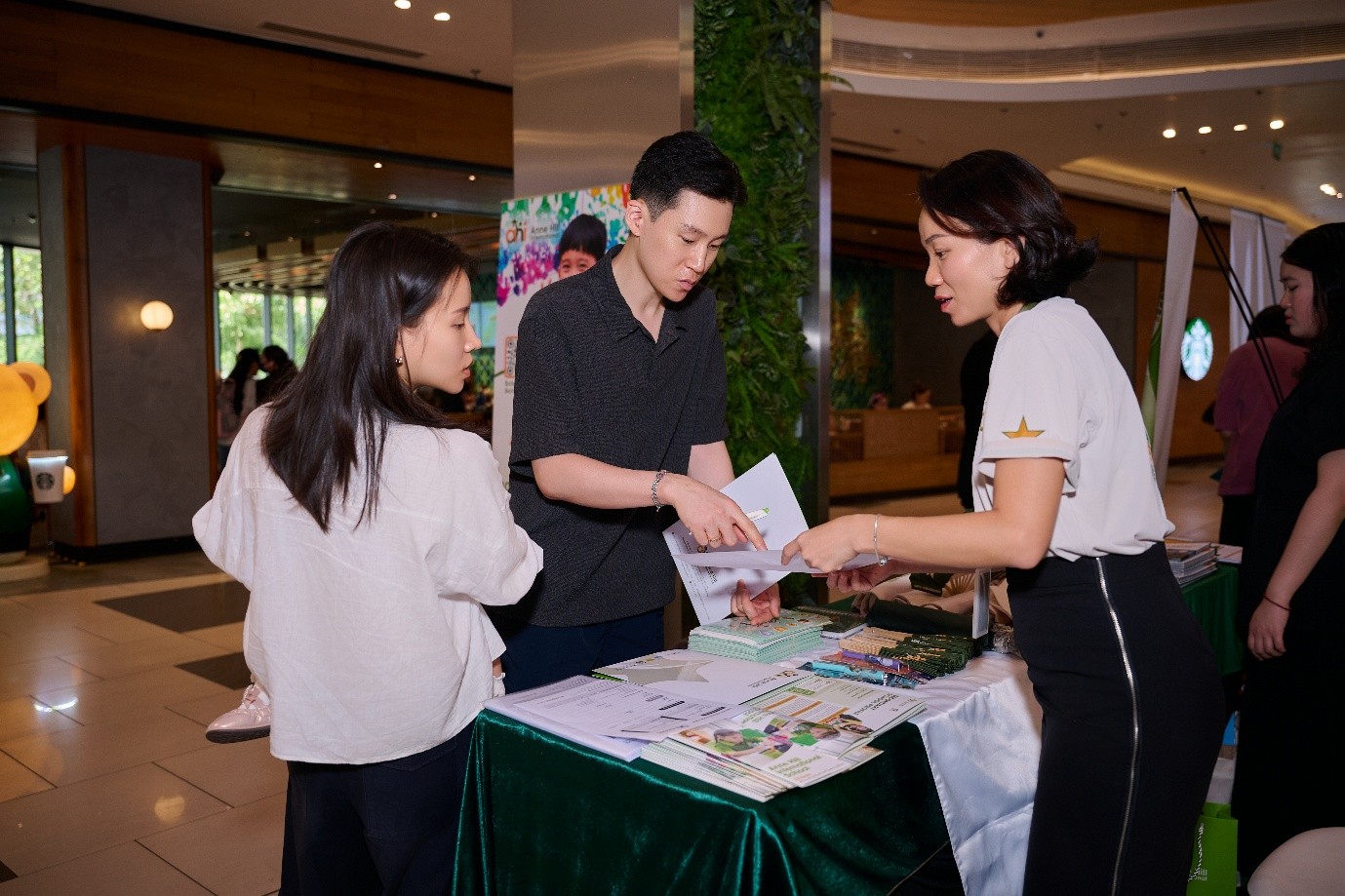
While their children enjoyed the activities, parents had meaningful opportunities to connect with our admissions team. These conversations gave them deeper insight into how Anne Hill International School nurtures growth beyond the classroom. They also added a thoughtful dimension to the day, showing how fun and learning can go hand in hand.

Our admission officer patiently answering questions and clearing doubts 

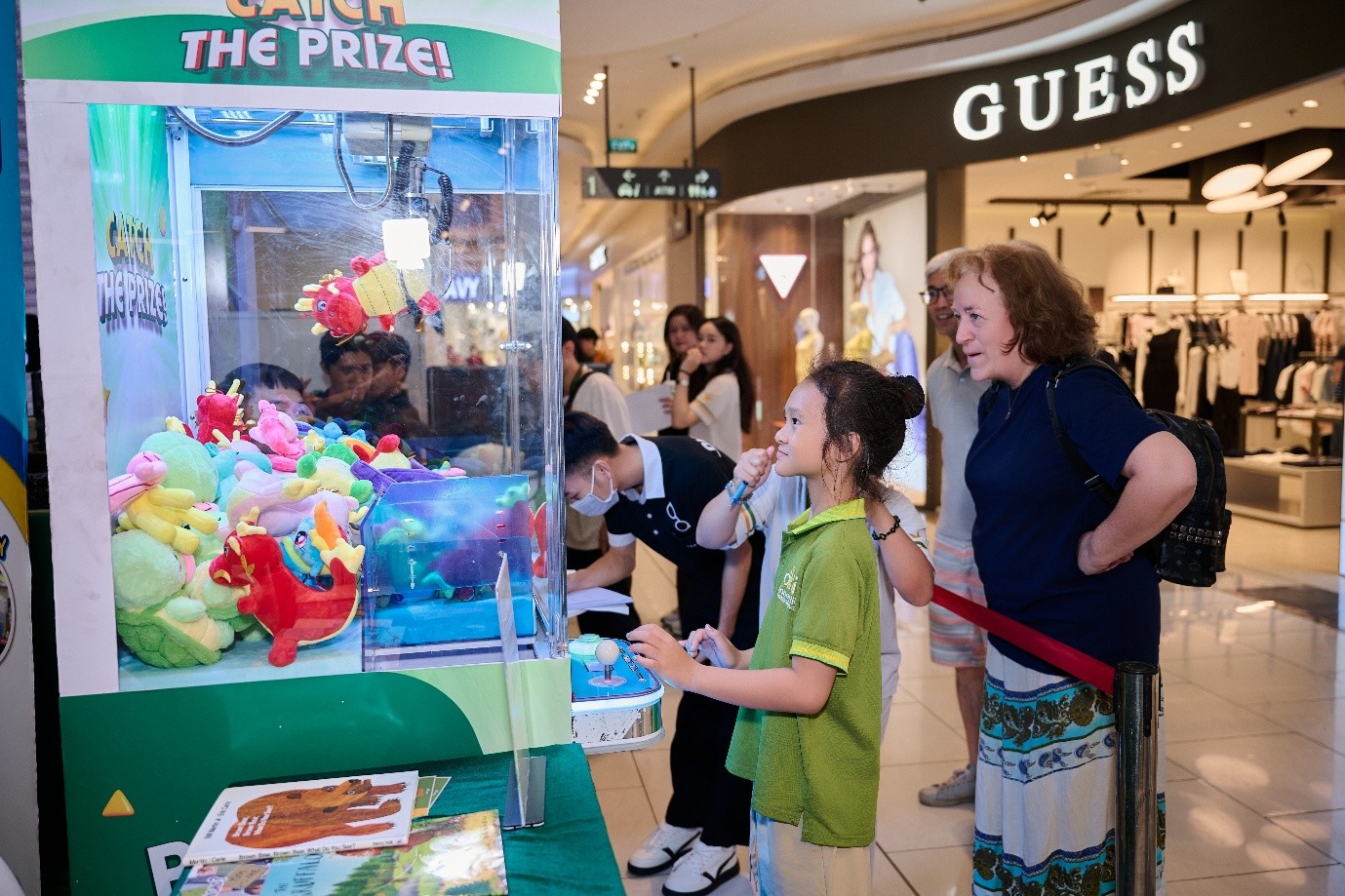
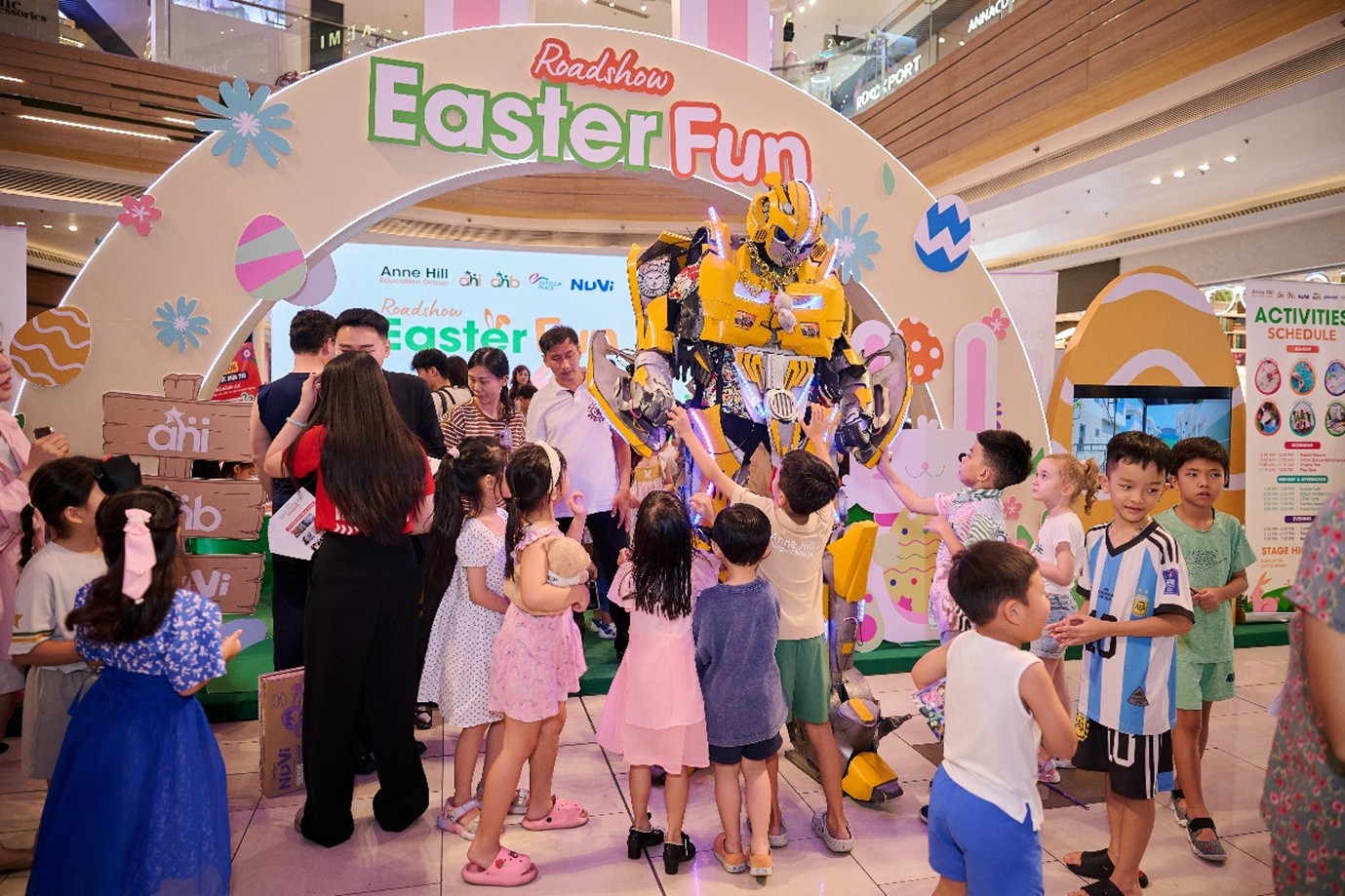
The claw machine became a favourite attraction. Children lined up eagerly to test their luck and win plush toys and prizes. Mascots such as Bumblebee and the Easter Rabbit wandered through the mall, greeting families, posing for photos and sharing smiles that lit up the crowd. Meanwhile, science talks, pop quizzes and bingo games kept the atmosphere lively, giving families plenty of reasons to stay engaged. Frotz ice cream and Nuvi milk were also available, redeemable with vouchers given to kids who joined any activity. Parents and children moved easily from one activity to the next. The sound of laughter and cheers carried through Estella Place, making the whole space feel festive and fun.

AHI students having fun while testing their skills at the claw machine 

A joyful moment as the Bumblebee mascot connects with kids during the event 

Reflections from Families and Organisers 

What truly stood out was the sense of connection that the Roadshow created. As our Senior Event Executive at Anne Hill International School, Ms. Ngan reflected:

“The highlight was seeing incredible engagement from both children and parents. From TikTok dances to the claw machine, every activity created joyful connections. Student performances were especially meaningful. They showcased our diverse community and the strong bond between Anne Hill and its families. It was heartwarming to see everyone come together in such a lively, meaningful way.”

Parents also shared their appreciation, noting how much the event meant to their families. One parent expressed: 

“I think it was very well planned, with many different activities for my child to enjoy. It was wonderful to see my child so engaged and happy throughout the day.”

Together, these reflections show what Anne Hill is truly about: joyful learning, meaningful family connections, and a community that celebrates every moment together.


Thank You to Our Partners 

We would like to thank all our partners — Nuvi, Global Art, Mee and More, MindX, Zumba and Click K — for their support in making the Easter Fun Roadshow 2026 possible. Their contributions made a real impact and helped bring the event to life.

Most importantly, we want to thank all the families who joined us. Your smiles, energy, and participation are what made the day truly memorable.


What is next -World Harmony Day 

The celebrations do not stop here. We invite you to join us at our upcoming Open Day – World Harmony Day. It will be a time when cultures, communities and families come together in joy and harmony.

The event will take place on 18 April 2026, from 9:00 to 11:00 in the morning, at our Primary Campus, 31 Giang Van Minh, An Khanh Ward, Ho Chi Minh City. 

You can register now through our Open Day Registration link. 

To explore what is coming up next, take a look at our Events Calendar and discover the activities we have planned.

How Montessori Education Nurtures Independence at Anne Hill International School  

At Anne Hill International School (AHI), we see every child as naturally curious and full of potential. Our Preschool embraces the Montessori approach, a philosophy that places children at the centre of their learning. With hands-on experiences and the freedom to explore at their own pace, children grow into confident learners who find joy in discovery. 

What is Montessori? 

The Montessori approach, developed by Dr Maria Montessori in the early 1900s, has shaped education across the globe for more than a century. At its core, Montessori nurtures independence and helps children grow into confident learners by encouraging them to explore at their own pace. Rather than being directed step by step, children are guided to make choices, practise skills, and discover knowledge in ways that feel meaningful to them. 

In a Montessori classroom, learning is designed to be full of joy and purposeful. Activities are carefully prepared to spark curiosity and allow children to take ownership of their progress. Teachers act as supportive guides, creating an environment where every child can experience the joy in learning and develop the resilience and problem-solving skills that will serve them well beyond the classroom. 

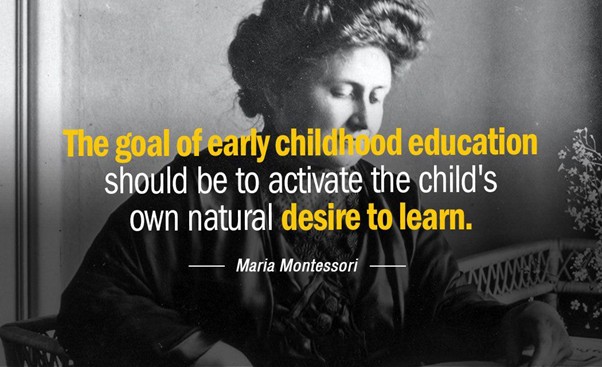
As Dr Montessori once saidThe goal of early childhood education should be to activate the child’s own natural desire to learn.” (Source: Strodemontessori) 

Montessori in Practice at Anne Hill International School 

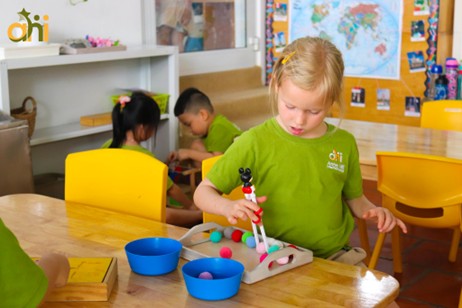
At Anne Hill International School, Montessori is part of everyday life. Children are encouraged to choose activities that capture their interest, from threading beads, sweeping, to exploring materials that introduce shapes, colours, numbers, and sounds. Even simple routines, like greeting one another or tidying up, become opportunities to practise respect and responsibility. These daily experiences help children grow in independence, build focus, and enjoy learning through play and exploration.  

Montessori is a signature element of the AHI Early Years experience, emphasising self-directed activity, hands-on learning, and purposeful exploration. Children engage in five key areas of learning that form the foundation of their growth: Practical Life, where they build independence through everyday tasks; Sensorial, which sharpens their senses and awareness; Language, supporting communication and literacy; Mathematics, encouraging logical thinking and problem-solving; and Culture, which broadens their understanding of the world around them. 

Through carefully designed materials and activities, children develop independence, concentration, coordination, and a sense of order. The built-in “control of error” within Montessori materials encourages children to reflect on and self-correct their learning, building confidence and autonomy. This approach also lays strong foundations for future subject learning, including Mathematics, Science, and the Humanities. 

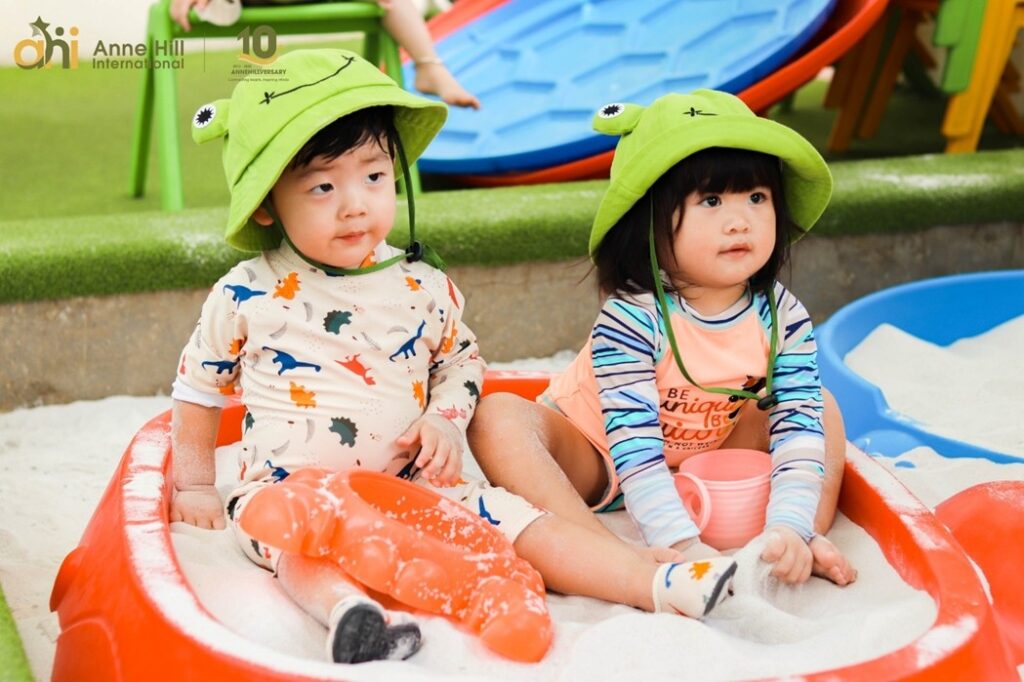
Two curious learners discovering the world through touch, using sand play to explore texture and build sensory awareness. 

Classroom activity: practicing with chopsticks to pick up small balls, strengthening fine motor skills and focus 

Our Teacher’s Perspective on Montessori Education 

Ms. Sherley, one of our dedicated Montessori teachers, has been part of AHI for over five years. With a background in Education and Montessori training, she brings both knowledge and warmth to her classroom. She shares: 

“My role as a Montessori teacher is to guide, prepare the environment, and offer lessons that match each child’s readiness. What I love most about teaching Montessori is watching each child explore and master their skills. Respect for others and independence are at the heart of every activity.” 

Step inside our classrooms and discover how Montessori shapes everyday learning. Watch the video below to hear directly from Ms. Sherley and see how Montessori learning comes alive in our classrooms. 

Montessori Meets the International Early Years Curriculum (IEYC) 

At Anne Hill International School, Montessori is thoughtfully complemented by the International Early Years Curriculum (IEYC). Both approaches share a commitment to holistic development. Montessori nurtures independence and responsibility, while IEYC emphasises exploration, discovery, and respect for diversity. Together, they create a balanced learning environment that supports the whole child academically, socially, and emotionally. 

The IEYC forms the foundation of our preschool programme. It is a research-based international framework designed specifically for children aged 2–5, aligning with global best practices in early childhood education. 

Learning is organised around engaging thematic units that capture children’s interests and imagination. Through a play-based and enquiry-led approach, children develop across key areas including personal, social, emotional, and cognitive growth. The IEYC ensures that learning is both meaningful and developmentally appropriate, supporting children as they build knowledge, skills, and understanding in a holistic way. 

By combining Montessori with the IEYC, Anne Hill International School offers children the best of both worlds: the freedom to become confident learners through self-directed exploration, and the structure of a globally recognised curriculum that nurtures curiosity and the joy in learning. 

Besides Montessori and IEYC, we also introduce Jolly Phonics and Numicon, helping them build strong foundations in literacy and numeracy. We also offer second languages such as Mandarin and Vietnamese, while outdoor learning and after-school activities (ASA) provide children plenty of opportunities to explore, play, and grow. 

Learn more about our Preschool curriculum.

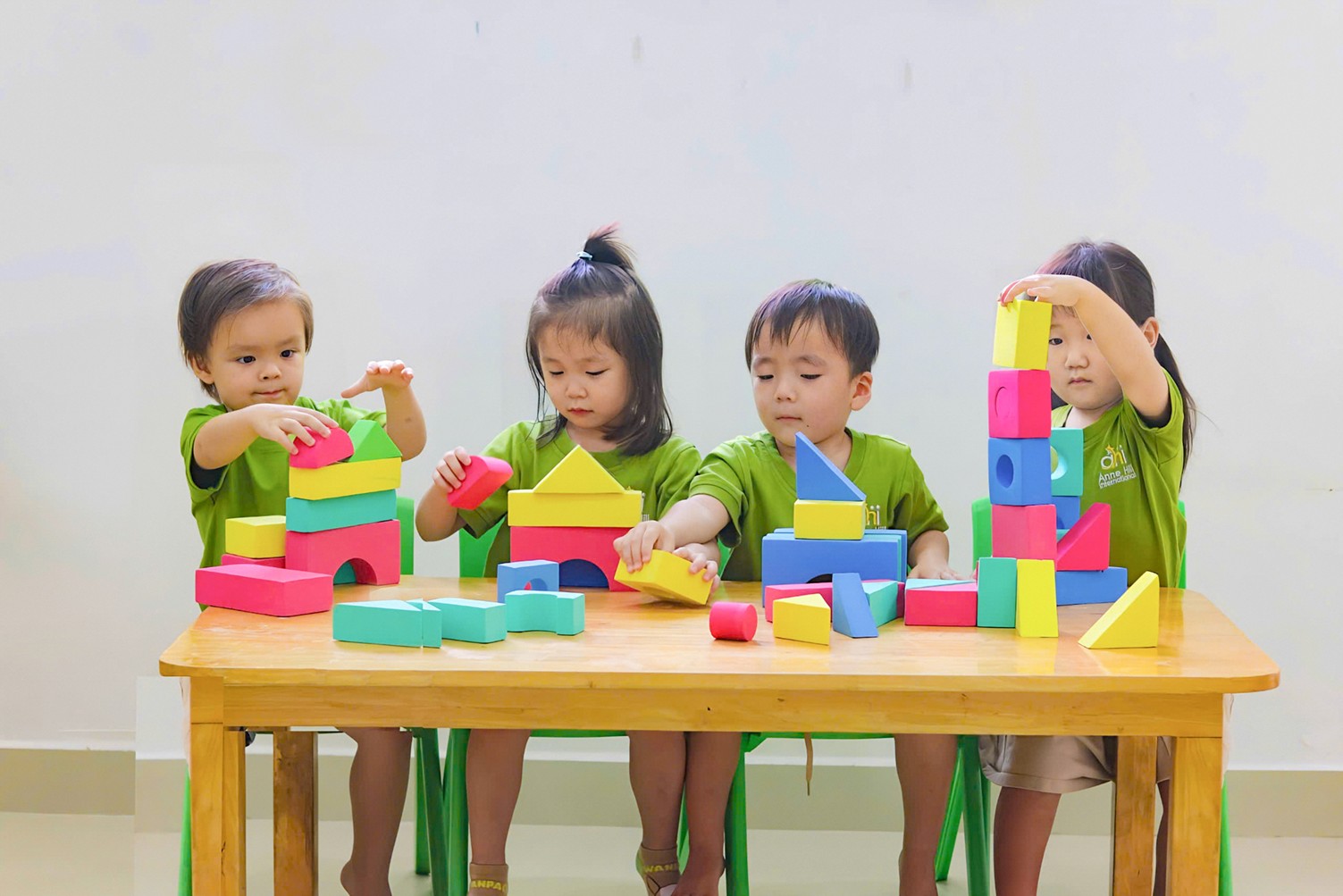
Students playing with blocks to explore shapes and structures 

Preparing Children for Life  

At Anne Hill International School, families can feel confident that their children are learning in a place that values curiosity, respect, and independence. The Montessori approach here is not just a method but part of everyday life. Through daily routines and activities, children learn to be capable and confident, preparing them not only for school but also for life beyond the classroom. 

This shows AHI’s commitment to caring for the whole child academically, socially, and emotionally. It provides a foundation that helps children thrive today and gives them skills they will carry into the future. 

Book a School Tour to discover how your child can grow in our caring community.